Acta Agriculturae Zhejiangensis ›› 2026, Vol. 38 ›› Issue (1): 24-34.DOI: 10.3969/j.issn.1004-1524.20250087
• Crop Science • Previous Articles Next Articles
Phylogenetic analysis of maize landraces in Zhejiang Province of China based on SSR markers
HE Suyue1( ), LI Yan2, DING Yunqian1, LI Xinze1, HAN Qinghui1, CHEN Xiaoyang2,*()
- 1. College of Advanced Agricultural Sciences, Zhejiang A&F University, Hangzhou 311300, China
2. Zhejiang Provincial Seed Management Station, Hangzhou 310020, China
-
Received:2025-02-05Online:2026-01-25Published:2026-02-11

CLC Number:
Cite this article
HE Suyue, LI Yan, DING Yunqian, LI Xinze, HAN Qinghui, CHEN Xiaoyang. Phylogenetic analysis of maize landraces in Zhejiang Province of China based on SSR markers[J]. Acta Agriculturae Zhejiangensis, 2026, 38(1): 24-34.
share this article
Add to citation manager EndNote|Ris|BibTeX
URL: http://www.zjnyxb.cn/EN/10.3969/j.issn.1004-1524.20250087
| 编号 Code | 标记名称 Marker name | 等位基因数 Number of alleles | 基因多样性指数 Gene diversity index | 有效等位基因数 Number of effective alleles | 多态信息含量 Polymorphism information content | Shannon指数 Shannon index |
|---|---|---|---|---|---|---|
| P01 | bnlg439w1 | 16 | 0.857 9 | 0.996 1 | 0.843 8 | 2.216 |
| P02 | umc1335y5 | 10 | 0.418 8 | 1.000 0 | 0.392 9 | 0.886 |
| P03 | umc2007y4 | 11 | 0.810 7 | 0.992 3 | 0.787 5 | 1.916 |
| P04 | bnlg1940k7 | 12 | 0.771 6 | 1.000 0 | 0.745 1 | 1.748 |
| P05 | umc2105k3 | 22 | 0.887 8 | 0.976 8 | 0.878 4 | 2.473 |
| P06 | phi053k2 | 19 | 0.903 3 | 0.996 1 | 0.895 4 | 2.527 |
| P07 | phi072k4 | 7 | 0.738 3 | 0.996 1 | 0.697 6 | 1.533 |
| P08 | bnlg2291k4 | 12 | 0.864 2 | 1.000 0 | 0.849 7 | 2.146 |
| P09 | umc1705w1 | 13 | 0.778 9 | 0.996 1 | 0.748 6 | 1.782 |
| P10 | bnlg2305k4 | 10 | 0.835 7 | 1.000 0 | 0.817 8 | 2.006 |
| P11 | bnlg161k8 | 18 | 0.897 4 | 0.988 4 | 0.888 4 | 2.424 |
| P12 | bnlg1702k1 | 13 | 0.770 6 | 0.996 1 | 0.737 1 | 1.723 |
| P13 | umc1545y2 | 17 | 0.869 5 | 1.000 0 | 0.856 2 | 2.251 |
| P14 | umc1125y3 | 7 | 0.590 8 | 1.000 0 | 0.552 9 | 1.205 |
| P15 | bnlg240k1 | 8 | 0.780 5 | 1.000 0 | 0.750 3 | 1.691 |
| P16 | phi080k15 | 11 | 0.830 4 | 0.992 3 | 0.808 6 | 1.938 |
| P17 | phi065k9 | 6 | 0.594 5 | 0.992 3 | 0.557 3 | 1.230 |
| P18 | umc1492y13 | 4 | 0.614 4 | 0.953 7 | 0.558 8 | 1.116 |
| P19 | umc1432y6 | 10 | 0.750 9 | 0.992 3 | 0.713 7 | 1.551 |
| P20 | umc1506k12 | 8 | 0.803 5 | 1.000 0 | 0.774 3 | 1.723 |
| P21 | umc1147y4 | 5 | 0.510 5 | 0.969 1 | 0.449 2 | 0.933 |
| P22 | bnlg1671y17 | 12 | 0.823 4 | 0.992 3 | 0.800 3 | 1.908 |
| P23 | phi96100y1 | 9 | 0.738 3 | 0.988 4 | 0.712 1 | 1.656 |
| P24 | umc1536k9 | 6 | 0.696 4 | 0.996 1 | 0.656 0 | 1.414 |
| P25 | bnlg1520k1 | 8 | 0.762 9 | 1.000 0 | 0.725 5 | 1.604 |
| P26 | umc1489y3 | 12 | 0.790 9 | 1.000 0 | 0.761 7 | 1.747 |
| P27 | bnlg490y4 | 13 | 0.794 1 | 0.818 5 | 0.775 1 | 1.962 |
| P28 | umc1999y3 | 5 | 0.303 6 | 1.000 0 | 0.289 0 | 0.655 |
| P29 | umc2115k3 | 5 | 0.636 9 | 0.988 4 | 0.600 7 | 1.274 |
| P30 | umc1429y7 | 8 | 0.724 6 | 1.000 0 | 0.682 6 | 1.467 |
| P31 | bnlg249k2 | 7 | 0.606 0 | 1.000 0 | 0.537 2 | 1.139 |
| P32 | phi299852y2 | 9 | 0.811 3 | 0.965 3 | 0.787 4 | 1.860 |
| P33 | umc2160k3 | 11 | 0.409 8 | 1.000 0 | 0.396 2 | 0.987 |
| P34 | umc1936k4 | 4 | 0.382 4 | 0.861 0 | 0.351 0 | 0.711 |
| P35 | bnlg2235y5 | 6 | 0.765 6 | 0.973 0 | 0.730 7 | 1.596 |
| P36 | phi233376y1 | 9 | 0.738 2 | 1.000 0 | 0.697 6 | 1.576 |
| P37 | umc2084w2 | 11 | 0.812 4 | 1.000 0 | 0.788 6 | 1.843 |
| P38 | umc123lk4 | 6 | 0.620 5 | 0.915 1 | 0.568 8 | 1.196 |
| P39 | phi041y6 | 10 | 0.655 4 | 0.996 1 | 0.616 9 | 1.430 |
| P40 | umc2163w3 | 9 | 0.732 5 | 0.957 5 | 0.692 0 | 1.539 |
| 平均值Average | 9.975 | 0.717 1 | 0.982 2 | 0.686 8 | 1.615 | |
Table 1 Genetic diversity among 259 maize landraces based on 40 pairs of SSR markers
| 编号 Code | 标记名称 Marker name | 等位基因数 Number of alleles | 基因多样性指数 Gene diversity index | 有效等位基因数 Number of effective alleles | 多态信息含量 Polymorphism information content | Shannon指数 Shannon index |
|---|---|---|---|---|---|---|
| P01 | bnlg439w1 | 16 | 0.857 9 | 0.996 1 | 0.843 8 | 2.216 |
| P02 | umc1335y5 | 10 | 0.418 8 | 1.000 0 | 0.392 9 | 0.886 |
| P03 | umc2007y4 | 11 | 0.810 7 | 0.992 3 | 0.787 5 | 1.916 |
| P04 | bnlg1940k7 | 12 | 0.771 6 | 1.000 0 | 0.745 1 | 1.748 |
| P05 | umc2105k3 | 22 | 0.887 8 | 0.976 8 | 0.878 4 | 2.473 |
| P06 | phi053k2 | 19 | 0.903 3 | 0.996 1 | 0.895 4 | 2.527 |
| P07 | phi072k4 | 7 | 0.738 3 | 0.996 1 | 0.697 6 | 1.533 |
| P08 | bnlg2291k4 | 12 | 0.864 2 | 1.000 0 | 0.849 7 | 2.146 |
| P09 | umc1705w1 | 13 | 0.778 9 | 0.996 1 | 0.748 6 | 1.782 |
| P10 | bnlg2305k4 | 10 | 0.835 7 | 1.000 0 | 0.817 8 | 2.006 |
| P11 | bnlg161k8 | 18 | 0.897 4 | 0.988 4 | 0.888 4 | 2.424 |
| P12 | bnlg1702k1 | 13 | 0.770 6 | 0.996 1 | 0.737 1 | 1.723 |
| P13 | umc1545y2 | 17 | 0.869 5 | 1.000 0 | 0.856 2 | 2.251 |
| P14 | umc1125y3 | 7 | 0.590 8 | 1.000 0 | 0.552 9 | 1.205 |
| P15 | bnlg240k1 | 8 | 0.780 5 | 1.000 0 | 0.750 3 | 1.691 |
| P16 | phi080k15 | 11 | 0.830 4 | 0.992 3 | 0.808 6 | 1.938 |
| P17 | phi065k9 | 6 | 0.594 5 | 0.992 3 | 0.557 3 | 1.230 |
| P18 | umc1492y13 | 4 | 0.614 4 | 0.953 7 | 0.558 8 | 1.116 |
| P19 | umc1432y6 | 10 | 0.750 9 | 0.992 3 | 0.713 7 | 1.551 |
| P20 | umc1506k12 | 8 | 0.803 5 | 1.000 0 | 0.774 3 | 1.723 |
| P21 | umc1147y4 | 5 | 0.510 5 | 0.969 1 | 0.449 2 | 0.933 |
| P22 | bnlg1671y17 | 12 | 0.823 4 | 0.992 3 | 0.800 3 | 1.908 |
| P23 | phi96100y1 | 9 | 0.738 3 | 0.988 4 | 0.712 1 | 1.656 |
| P24 | umc1536k9 | 6 | 0.696 4 | 0.996 1 | 0.656 0 | 1.414 |
| P25 | bnlg1520k1 | 8 | 0.762 9 | 1.000 0 | 0.725 5 | 1.604 |
| P26 | umc1489y3 | 12 | 0.790 9 | 1.000 0 | 0.761 7 | 1.747 |
| P27 | bnlg490y4 | 13 | 0.794 1 | 0.818 5 | 0.775 1 | 1.962 |
| P28 | umc1999y3 | 5 | 0.303 6 | 1.000 0 | 0.289 0 | 0.655 |
| P29 | umc2115k3 | 5 | 0.636 9 | 0.988 4 | 0.600 7 | 1.274 |
| P30 | umc1429y7 | 8 | 0.724 6 | 1.000 0 | 0.682 6 | 1.467 |
| P31 | bnlg249k2 | 7 | 0.606 0 | 1.000 0 | 0.537 2 | 1.139 |
| P32 | phi299852y2 | 9 | 0.811 3 | 0.965 3 | 0.787 4 | 1.860 |
| P33 | umc2160k3 | 11 | 0.409 8 | 1.000 0 | 0.396 2 | 0.987 |
| P34 | umc1936k4 | 4 | 0.382 4 | 0.861 0 | 0.351 0 | 0.711 |
| P35 | bnlg2235y5 | 6 | 0.765 6 | 0.973 0 | 0.730 7 | 1.596 |
| P36 | phi233376y1 | 9 | 0.738 2 | 1.000 0 | 0.697 6 | 1.576 |
| P37 | umc2084w2 | 11 | 0.812 4 | 1.000 0 | 0.788 6 | 1.843 |
| P38 | umc123lk4 | 6 | 0.620 5 | 0.915 1 | 0.568 8 | 1.196 |
| P39 | phi041y6 | 10 | 0.655 4 | 0.996 1 | 0.616 9 | 1.430 |
| P40 | umc2163w3 | 9 | 0.732 5 | 0.957 5 | 0.692 0 | 1.539 |
| 平均值Average | 9.975 | 0.717 1 | 0.982 2 | 0.686 8 | 1.615 | |
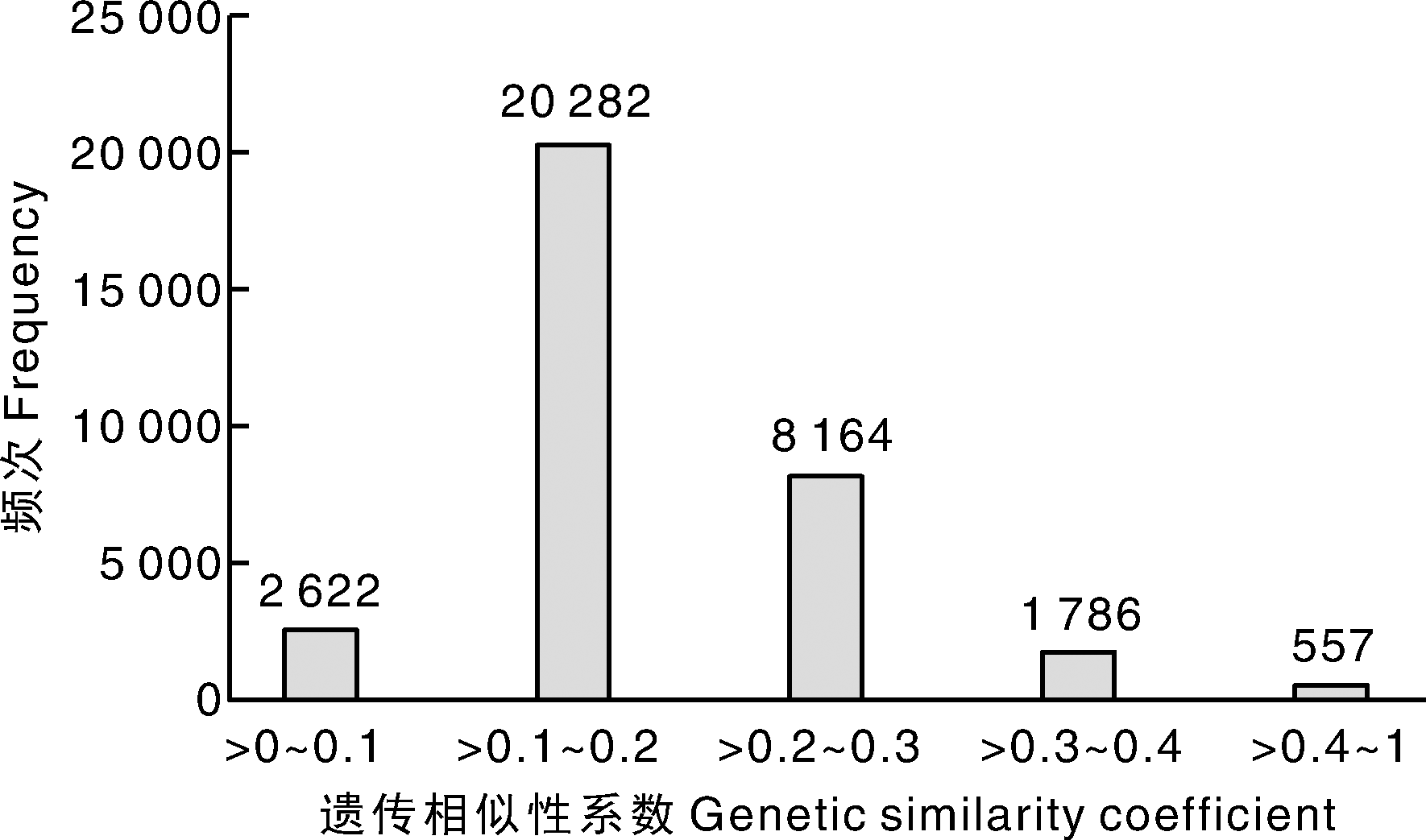
Fig.1 Distribution of genetic similarity coefficients among 259 maize landraces
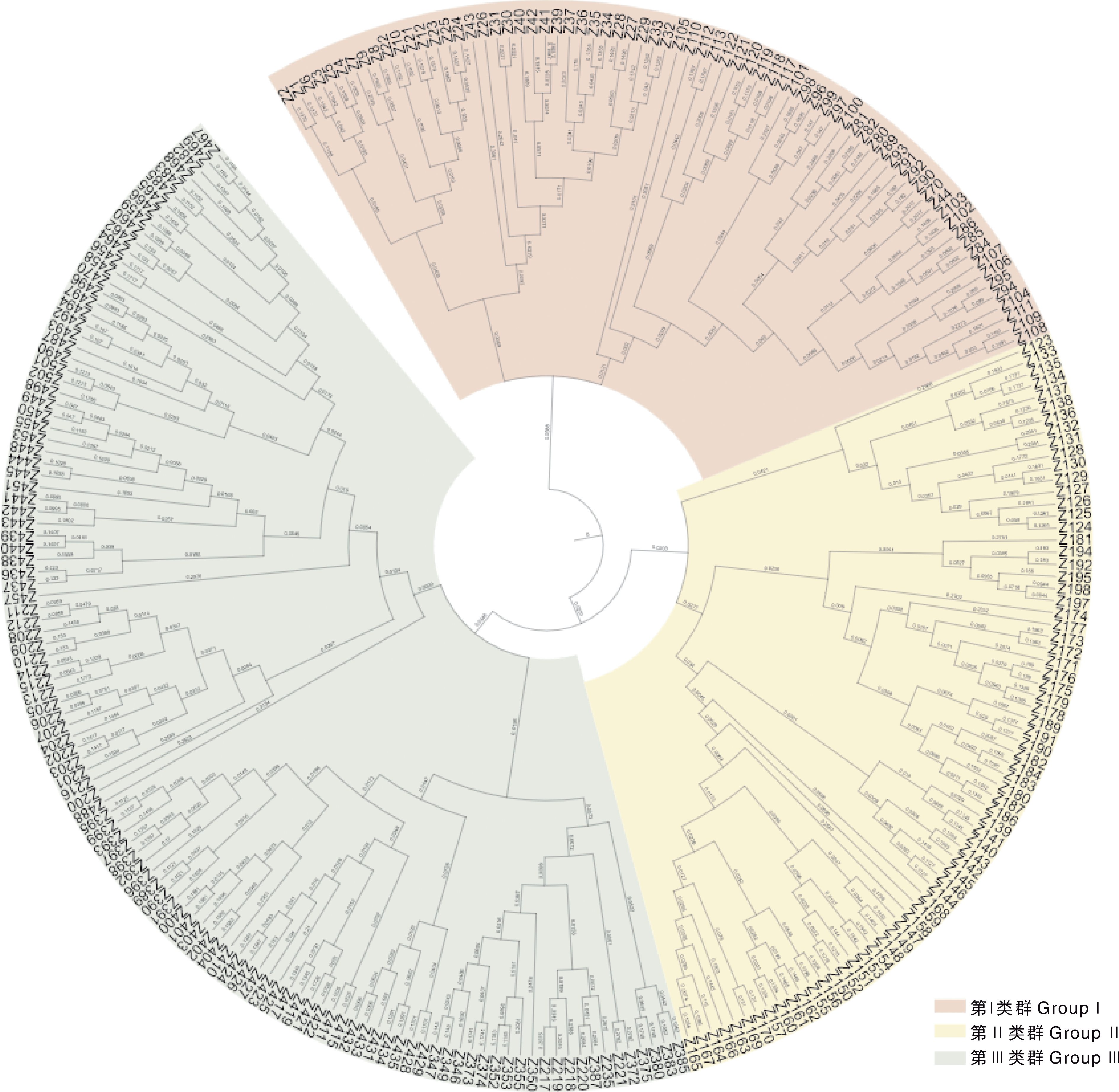
Fig.2 UPGMA clustering of 259 maize landraces The corresponding maize landraces for each number are provided in Supplementary Table 1.
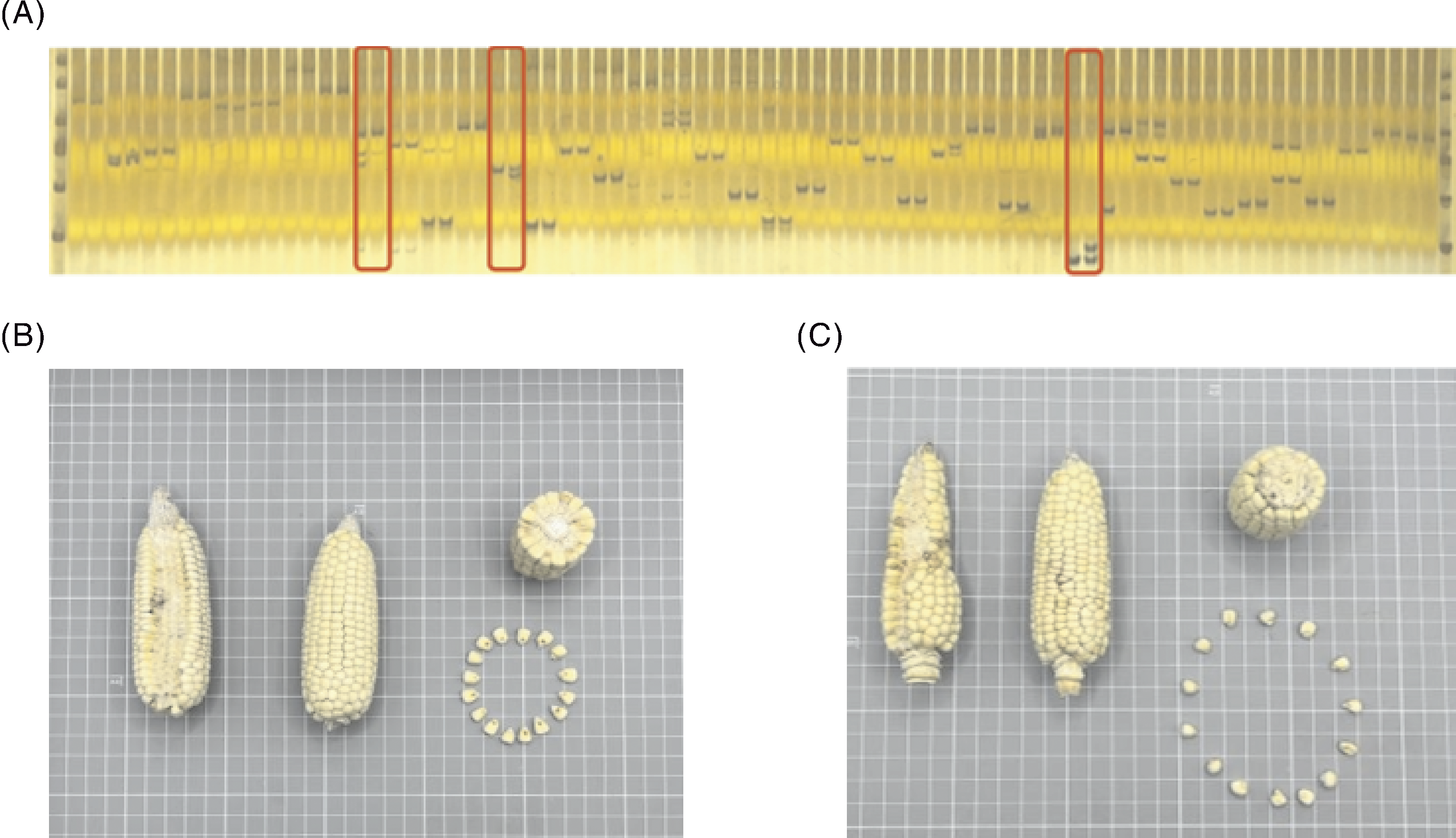
Fig.3 Comparison of Cixi Waxy Corn (large kernel) and Cixi Waxy Corn (small kernel) A, SSR markers of the two germplasms; B, Seed traits of Cixi Waxy Corn (large kernel); C, Seed traits of Cixi Waxy Corn (small kernel).
| 种质 Germplasm | 株高/cm Plant height/cm | 穗位高/cm Ear height/cm | 播种至抽雄时间/d Time for sowing to tasseling /d | 播种至散粉时间/d Time for sowing to anthesis/d | 播种至吐丝时间/d Time for sowing to silking/d |
|---|---|---|---|---|---|
| 慈溪糯玉米(大粒)Cixi Waxy Corn (large kernel) | 173.3 | 88.2 | 70 | 74 | 75 |
| 慈溪糯玉米(小粒)Cixi Waxy Corn (small kernel) | 167.3 | 79.1 | 73 | 77 | 78 |
| 炬秋玉米Juqiu Corn | 190.6 | 62.5 | 65 | 68 | 69 |
| 开化地玉米Kaihua Di Corn | 170.6 | 81.3 | 62 | 64 | 65 |
| 紫包早Zi Bao Zao | 259.3 | 105.7 | 66 | 70 | 71 |
| 余杭八十日Yuhang 80 Days | 239.4 | 110.1 | 70 | 73 | 74 |
| 临海黄玉米Linhai Yellow Corn | 165.6 | 75.7 | 62 | 65 | 66 |
| 黄包萝(110175)Yellow Baoluo (110175) | 195.6 | 74.1 | 61 | 64 | 65 |
| 山玉米(2018331072) | 277.1 | 147.6 | 75 | 79 | 80 |
| Mountain Corn (2018331072) | |||||
| 山玉米2(新收集) | 300.5 | 146.0 | 75 | 79 | 80 |
| Mountain Corn 2 (new collection) |
Table 2 Agronomic traits of different maize landraces
| 种质 Germplasm | 株高/cm Plant height/cm | 穗位高/cm Ear height/cm | 播种至抽雄时间/d Time for sowing to tasseling /d | 播种至散粉时间/d Time for sowing to anthesis/d | 播种至吐丝时间/d Time for sowing to silking/d |
|---|---|---|---|---|---|
| 慈溪糯玉米(大粒)Cixi Waxy Corn (large kernel) | 173.3 | 88.2 | 70 | 74 | 75 |
| 慈溪糯玉米(小粒)Cixi Waxy Corn (small kernel) | 167.3 | 79.1 | 73 | 77 | 78 |
| 炬秋玉米Juqiu Corn | 190.6 | 62.5 | 65 | 68 | 69 |
| 开化地玉米Kaihua Di Corn | 170.6 | 81.3 | 62 | 64 | 65 |
| 紫包早Zi Bao Zao | 259.3 | 105.7 | 66 | 70 | 71 |
| 余杭八十日Yuhang 80 Days | 239.4 | 110.1 | 70 | 73 | 74 |
| 临海黄玉米Linhai Yellow Corn | 165.6 | 75.7 | 62 | 65 | 66 |
| 黄包萝(110175)Yellow Baoluo (110175) | 195.6 | 74.1 | 61 | 64 | 65 |
| 山玉米(2018331072) | 277.1 | 147.6 | 75 | 79 | 80 |
| Mountain Corn (2018331072) | |||||
| 山玉米2(新收集) | 300.5 | 146.0 | 75 | 79 | 80 |
| Mountain Corn 2 (new collection) |
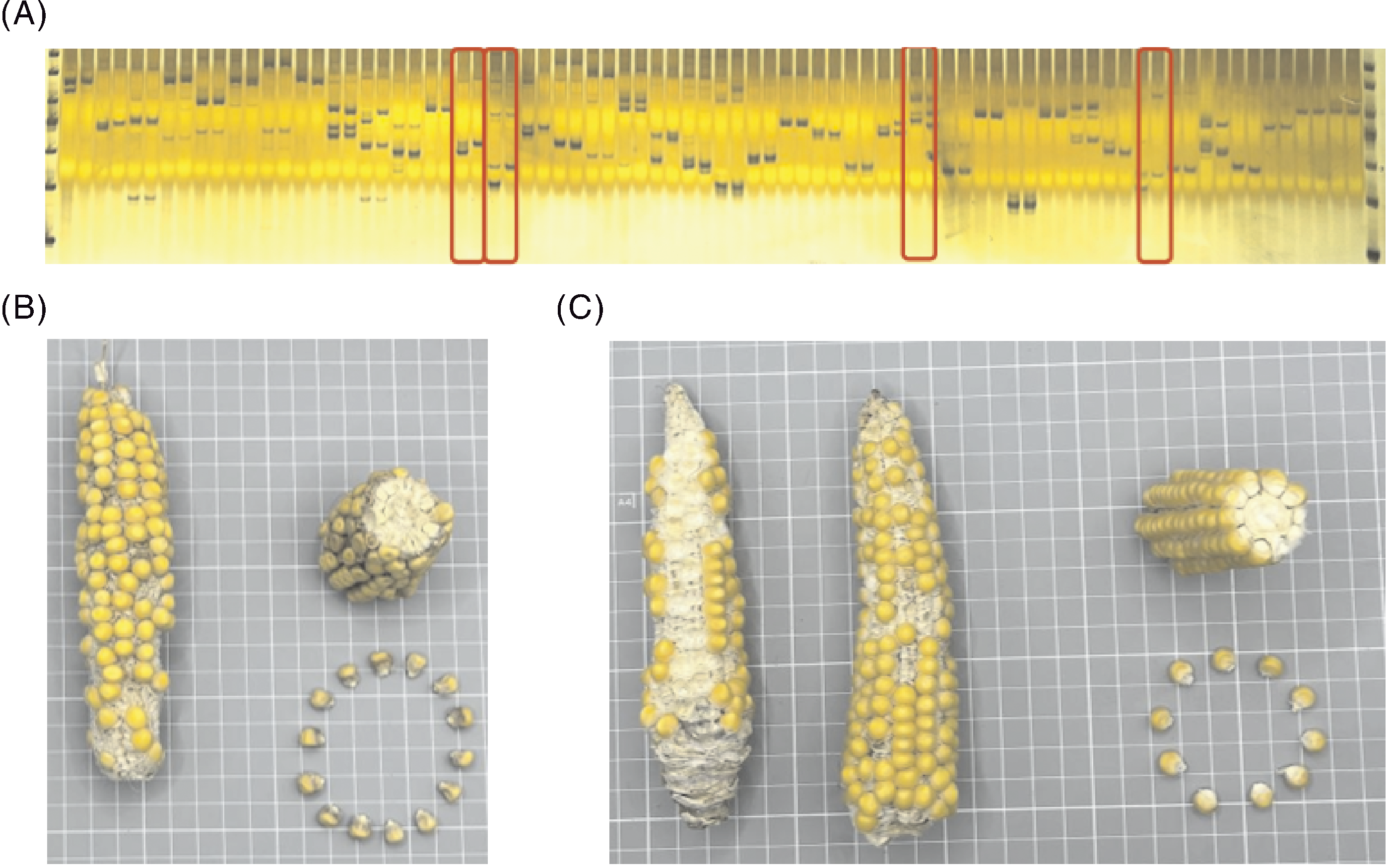
Fig.4 Comparison of Juqiu Corn and Kaihua Di Corn A, SSR markers of the two germplasms; B, Seed traits of Juqiu Corn ; C, Seed traits of Kaihua Di Corn.
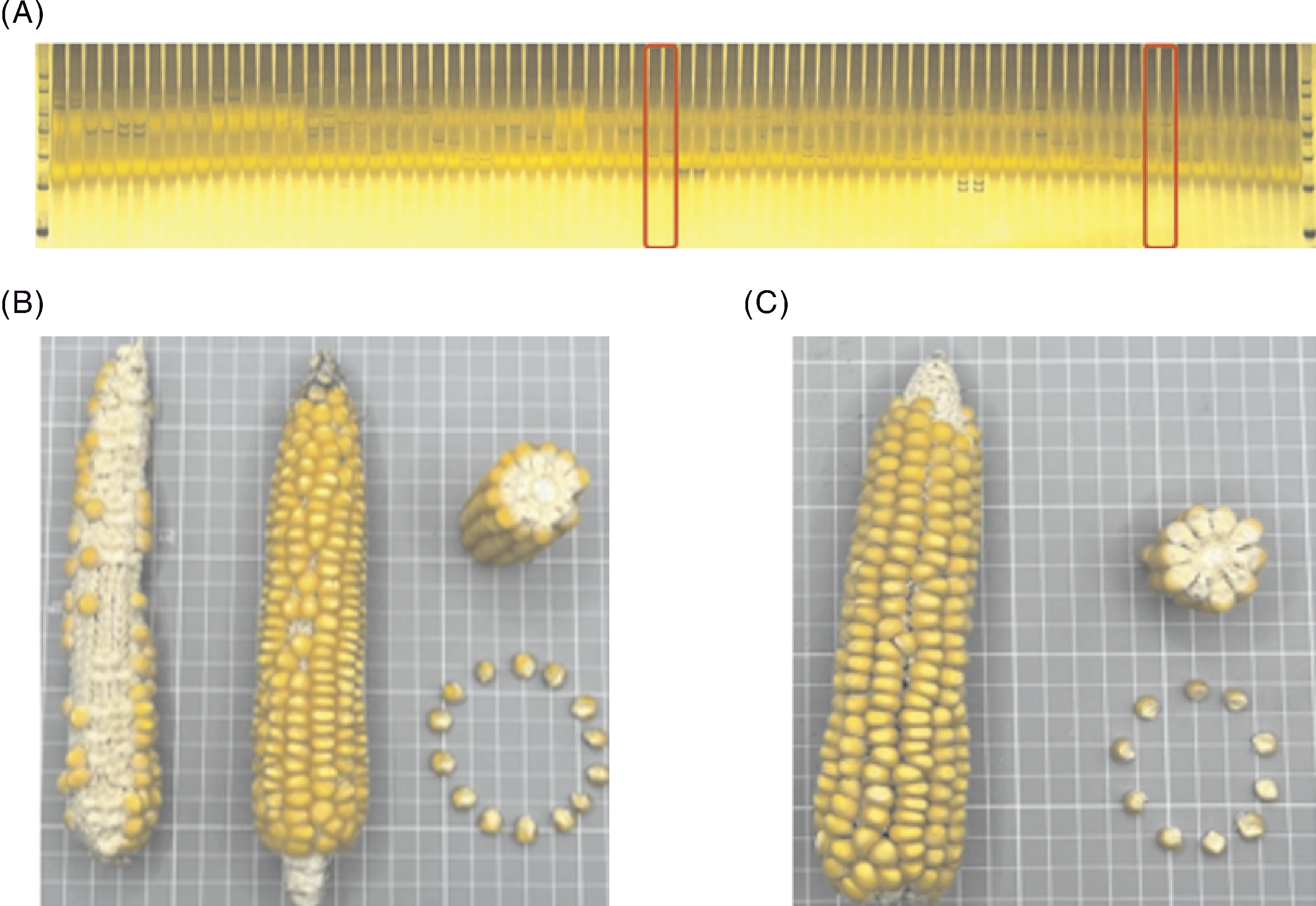
Fig.5 Comparison of Zi Bao Zao and Yuhang 80 Days A, SSR markers of the two germplasms; B, Seed traits of Zi Bao Zao; C, Seed traits of Yuhang 80 Days.
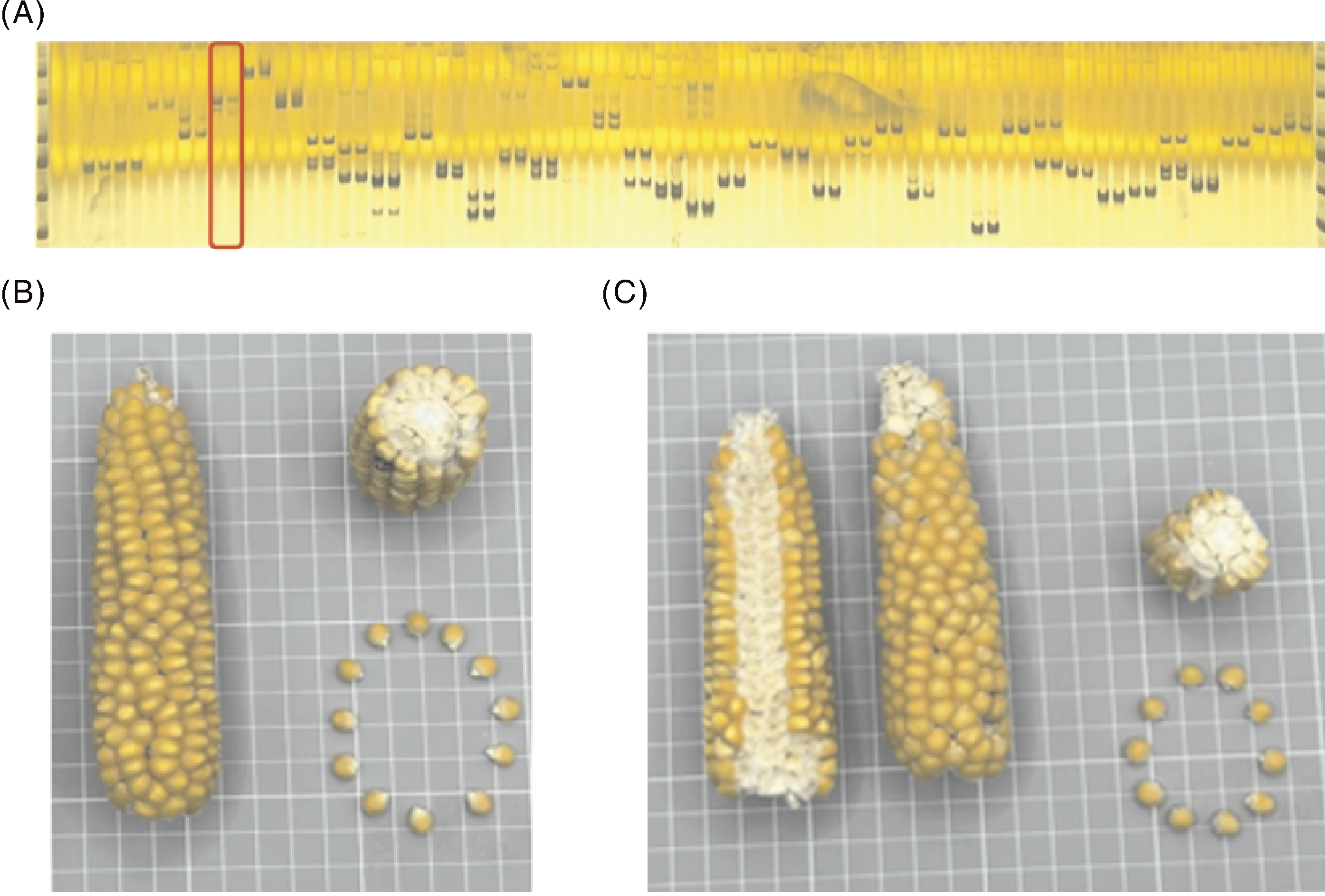
Fig.6 Comparison of Linhai Yellow Corn and Yellow Baoluo (110175) A, SSR markers of the two germplasms; B, Seed traits of Linhai Yellow Corn; C, Seed traits of Yellow Baoluo (110175).
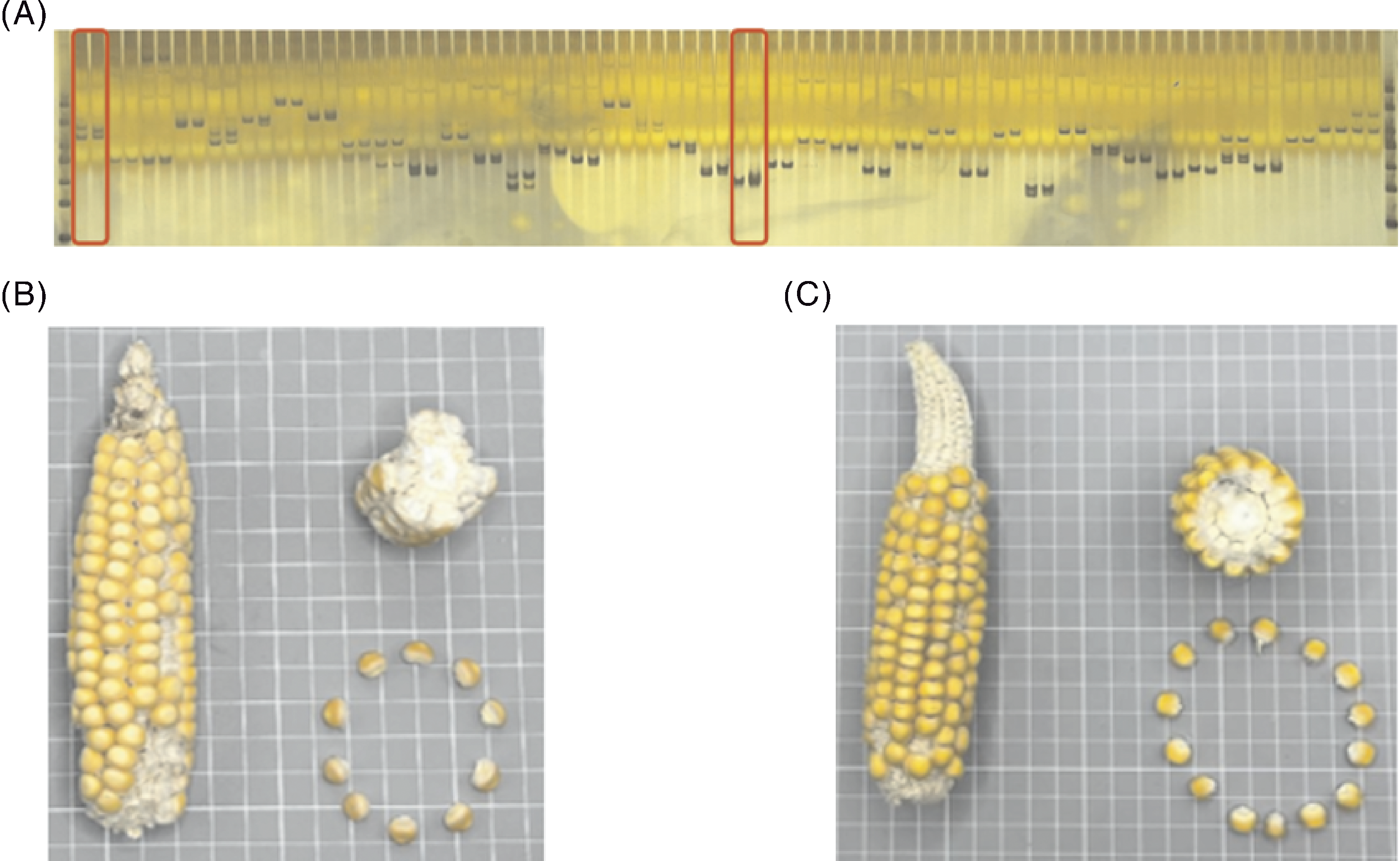
Fig.7 Comparison of Mountain Corn (2018331072) and Mountain Corn 2 (new collection) A, SSR markers of the two germplasms; B, Seed traits of Mountain Corn (2018331072); C, Seed traits of Mountain Corn 2 (new collection).
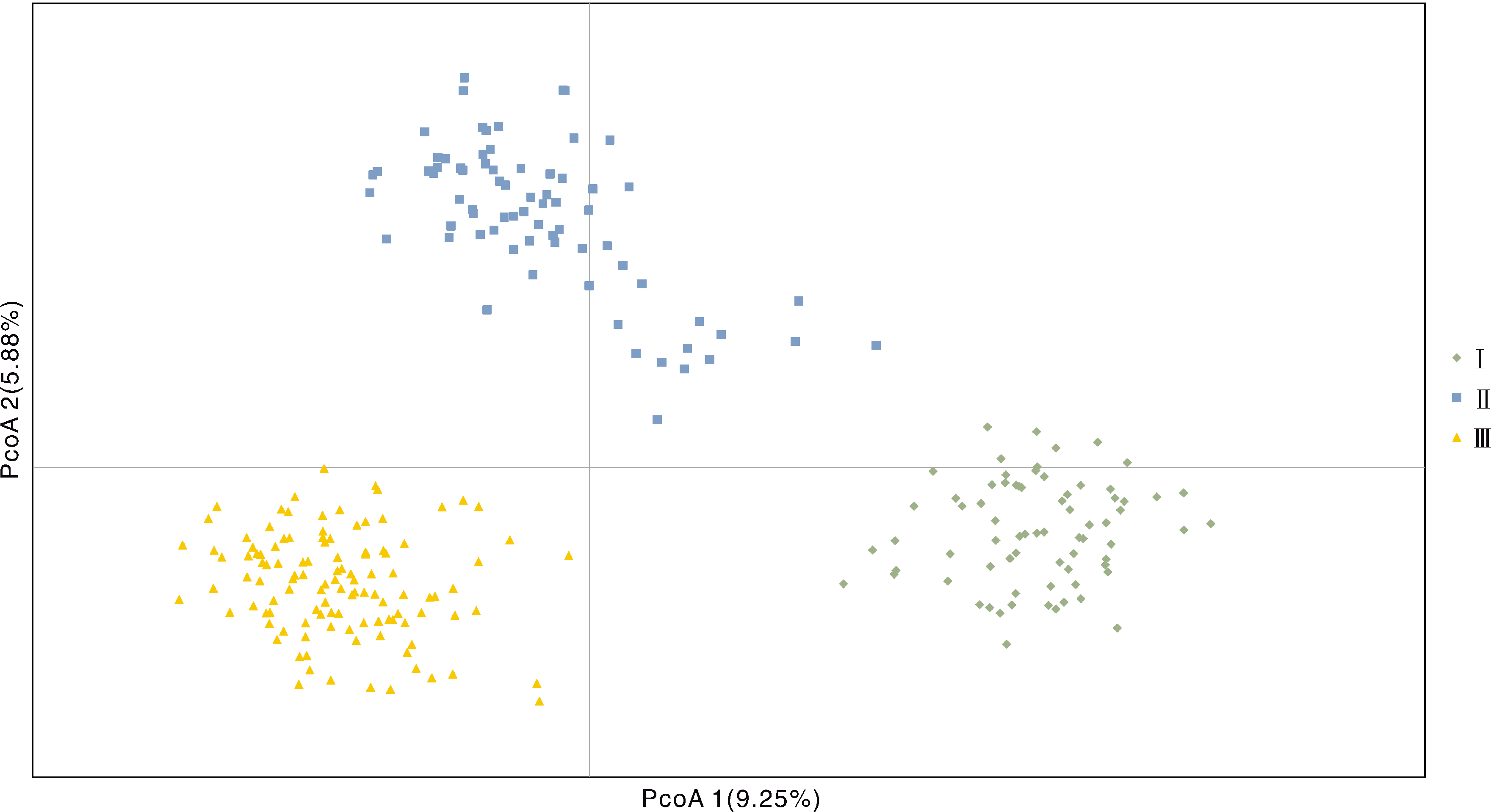
Fig.8 Principal coordinate analysis of three groups of maize landraces
| [1] | SHIFERAW B, PRASANNA B M, HELLIN J, et al. Crops that feed the world 6. Past successes and future challenges to the role played by maize in global food security[J]. Food Security, 2011, 3(3): 307-327. |
| [2] | 孙敬华. 浅谈玉米育种的途径及方法[J]. 中国农业信息, 2006, 18(4): 33-34. |
| SUN J H. Talking about the ways and methods of maize breeding[J]. China Agricultural Information, 2006, 18(4): 33-34. | |
| [3] | 常宏兵, 王晨, 何美敬, 等. 60份玉米种质资源遗传多样性分析[J]. 草地学报, 2024, 32(4): 1162-1168. |
| CHANG H B, WANG C, HE M J, et al. Genetic diversity analysis of 60 maize germplasm resources[J]. Acta Agrestia Sinica, 2024, 32(4): 1162-1168. | |
| [4] | 杨前勇. 地方品种遗传多样性和群体结构的分析与统计方法[J]. 江西畜牧兽医杂志, 2017(5): 1-4. |
| YANG Q Y. Analysis and statistical methods of genetic diversity and population structure of local varieties[J]. Jiangxi Journal of Animal Husbandry & Veterinary Medicine, 2017(5): 1-4. | |
| [5] | 王成树, 李增智. 分子数据的遗传多样性分析方法[J]. 安徽农业大学学报, 2002, 29(1): 90-94. |
| WANG C S, LI Z Z. Genetic diversity analysis methods of molecular data (review)[J]. Journal of Anhui Agricultural University, 2002, 29(1): 90-94. | |
| [6] | 何琳, 王群. 基于PCR的SSR标记分离方法综述[J]. 基因组学与应用生物学, 2010, 29(4): 775-782. |
| HE L, WANG Q. Review on the PCR-based SSR markers isolation methods[J]. Genomics and Applied Biology, 2010, 29(4): 775-782. | |
| [7] | GAUTHIER P, GOUESNARD B, DALLARD J, et al. RFLP diversity and relationships among traditional European maize populations[J]. Theoretical and Applied Genetics, 2002, 105(1): 91-99. |
| [8] | BELALIA N, LUPINI A, DJEMEL A, et al. Analysis of genetic diversity and population structure in Saharan maize (Zea mays L.) populations using phenotypic traits and SSR markers[J]. Genetic Resources and Crop Evolution, 2019, 66(1): 243-257. |
| [9] | 景建洲, 张勇, 李东亮, 等. 利用RAPD分子标记分析玉米种质遗传多样性[J]. 中国农学通报, 2006, 22(12): 405-408. |
| JING J Z, ZHANG Y, LI D L, et al. Assessment of genetic diversity of maize detected by RAPD molecular markers[J]. Chinese Agricultural Science Bulletin, 2006, 22(12): 405-408. | |
| [10] | 高山, 闫晓翠, 王楠, 等. 基于10K SNP芯片分析255份玉米种质资源的遗传多样性[J]. 中国农业科技导报, 2024, 26(8): 20-33. |
| GAO S, YAN X C, WANG N, et al. Genetic diversity analysis of 255 maize germplasm resources based on 10K SNP chip[J]. Journal of Agricultural Science and Technology, 2024, 26(8): 20-33. | |
| [11] | SENIOR M L, HEUN M. Mapping maize microsatellites and polymerase chain reaction confirmation of the targeted repeats using a CT primer[J]. Genome, 1993, 36(5): 884-889. |
| [12] | SMITH J S C, CHIN E C L, SHU H, et al. An evaluation of the utility of SSR loci as molecular markers in maize (Zea mays L.): comparisons with data from RFLPS and pedigree[J]. Theoretical and Applied Genetics, 1997, 95(1): 163-173. |
| [13] | ENOKI H, SATO H, KOINUMA K. SSR analysis of genetic diversity among maize inbred lines adapted to cold regions of Japan[J]. Theoretical and Applied Genetics, 2002, 104(8): 1270-1277. |
| [14] | 刘志斋, 吴迅, 刘海利, 等. 基于40个核心SSR标记揭示的820份中国玉米重要自交系的遗传多样性与群体结构[J]. 中国农业科学, 2012, 45(11): 2107-2138. |
| LIU Z Z, WU X, LIU H L, et al. Genetic diversity and population structure of important Chinese maize inbred lines revealed by 40 core simple sequence repeats (SSRs)[J]. Scientia Agricultura Sinica, 2012, 45(11): 2107-2138. | |
| [15] | 陈晓龙, 应多, 包斐, 等. 浙江省50份甜玉米核心种质资源遗传多样性分析[J]. 浙江农业科学, 2022, 63(10): 2258-2262. |
| CHEN X L, YING D, BAO F, et al. Genetic diversity analysis of 50 sweet maize germplasm resources in Zhejiang Province[J]. Journal of Zhejiang Agricultural Sciences, 2022, 63(10): 2258-2262. | |
| [16] | 石建尧. 浙江省玉米种质资源现状与利用[J]. 种子世界, 2008(3): 1-2. |
| SHI J Y. Status and utilization of maize germplasm resources in Zhejiang Province[J]. Seed World, 2008(3): 1-2. | |
| [17] | 朱正歌, 贾继增, 孙宗修. 水稻AFLP指纹银染法显带研究[J]. 中国水稻科学, 2002, 16(1): 71-73. |
| ZHU Z G, JIA J Z, SUN Z X. Improvement of AFLP protocol for silver-staining in rice[J]. Chinese Journal of Rice Science, 2002, 16(1): 71-73. | |
| [18] | 樊文强, 盖红梅, 孙鑫, 等. SSR数据格式转换软件DataFormater[J]. 分子植物育种, 2016, 14(1): 265-270. |
| FAN W Q, GAI H M, SUN X, et al. Data formater, a software for SSR data formatting to develop population genetics analysis[J]. Molecular Plant Breeding, 2016, 14(1): 265-270. | |
| [19] | MATHIANG E A, SA K J, PARK H, et al. Genetic diversity and population structure of normal maize germplasm collected in south Sudan revealed by SSR markers[J]. Plants, 2022, 11(20): 2787. |
| [20] | 王凤格, 田红丽, 赵久然, 等. 中国328个玉米品种(组合)SSR标记遗传多样性分析[J]. 中国农业科学, 2014, 47(5): 856-864. |
| WANG F G, TIAN H L, ZHAO J R, et al. Genetic diversity analysis of 328 maize varieties (hybridized combinations) using SSR markers[J]. Scientia Agricultura Sinica, 2014, 47(5): 856-864. | |
| [21] | 李庆锋, 任雪娇, 许赢, 等. 基于SSR标记的148份玉米自交系亲缘关系分析[J]. 玉米科学, 2024, 32(2): 54-61. |
| LI Q F, REN X J, XU Y, et al. Genetic relationship analysis of 148 maize inbred lines based on SSR molecular markers[J]. Journal of Maize Sciences, 2024, 32(2): 54-61. | |
| [22] | YUAN Y B, CAIRNS J E, BABU R, et al. Genome-wide association mapping and genomic prediction analyses reveal the genetic architecture of grain yield and flowering time under drought and heat stress conditions in maize[J]. Frontiers in Plant Science, 2019, 9: 1919. |
| [23] | 张建国. 玉米萌发至出苗期耐低温性全基因组关联分析及候选基因挖掘[D]. 哈尔滨: 东北农业大学, 2020. |
| ZHANG J G. Association analysis and candidate gene mining of low temprature tolerance in maize from the germination stage to seedling stage[D]. Harbin: Northeast Agricultural University, 2020. | |
| [24] | 杨雪, 丁小兰, 何增磊, 等. 玉米南方锈病发生温度范围测定[J]. 植物保护, 2015, 41(5): 145-147. |
| YANG X, DING X L, HE Z L, et al. Determination of temperature required by southern corn rust[J]. Plant Protection, 2015, 41(5): 145-147. | |
| [25] | 章慧玉, 张香粉, 张留声, 等. 46份黄淮海玉米新品种南方锈病抗性剖析[J]. 种子, 2024, 43(9): 109-115. |
| ZHANG H Y, ZHANG X F, ZHANG L S, et al. Analysis of resistance to southern rust of 46 new maize varieties from the Huang-Huai-Hai Region[J]. Seed, 2024, 43(9): 109-115. | |
| [26] | GAO J, ZHANG N, LIU G H, et al. Regulation of maize growth and immunity by ZmSKI3-mediated RNA decay and post-transcriptional gene silencing[J]. Journal of Integrative Plant Biology, 2024, 66(11): 2561-2577. |
| [27] | ZHU M, ZHONG T, XU L, et al. The ZmCPK39-ZmDi19-ZmPR10 immune module regulates quantitative resistance to multiple foliar diseases in maize[J]. Nature Genetics, 2024, 56(12): 2815-2826. |
| [1] | XU Weimeng, XU Yan, CHEN Guoli. Comprehensive evaluation of waxy corn quality based on various analytical methods [J]. Acta Agriculturae Zhejiangensis, 2025, 37(9): 1840-1848. |
| [2] | YAN Peizhong, CHEN Liang, ZHANG Shengyin, LIU Bin. Effects of water-fertilizer coupling regimes on maize yield and water and fertilizer use efficiency under mulched drip irrigation in Jingdian irrigation district of China [J]. Acta Agriculturae Zhejiangensis, 2025, 37(9): 1849-1859. |
| [3] | GUAN Xiusheng, LIU Tieshan, WANG Juan, ZHANG Maolin, LIU Chunxiao, DONG Rui, GUAN Haiying, LIU Qiang, XU Yang, HE Chunmei. Bioinformatics analysis and cloning of NF-YA family genes in maize(Zea mays) [J]. Acta Agriculturae Zhejiangensis, 2025, 37(8): 1605-1614. |
| [4] | XIAN Ruotong, MIAO Qingmei, PENG Cheng, CHEN Xiaoyun, YANG Lei, XU Xiaoli, WEI Wei, XU Junfeng, LI Yueying, WANG Xiaofu. Establishment and application of event-specific real-time PCR detection method of transgenic maize WYN17132 [J]. Acta Agriculturae Zhejiangensis, 2025, 37(7): 1397-1406. |
| [5] | WANG Wenqi, WANG Panpan, ZHANG Yanling, LIU Qingqing, HONG Shuangshuang, ZHAO Gaopeng, LIU Hongchang, WANG Cuiling. Screening of proteins interacting with circadian clock gene ZmPRR1-2 in maize [J]. Acta Agriculturae Zhejiangensis, 2025, 37(5): 977-986. |
| [6] | LIU Sitong, HOU Yu, PAN Jiaquan, ZHOU Huanan, CUI Liang, WAN Bo, YU Tao. Physiological response of sweetpotato to the low temperature and evaluation of cold tolerance [J]. Acta Agriculturae Zhejiangensis, 2025, 37(4): 767-778. |
| [7] | GUO Saisai, NIE Zhixing, FU Hongfei, WANG Tonglin, SHAO Zhiyong, WANG Hong, ZHENG Jirong. Phenotypic characters and SRAP genetic diversity analysis of 37 pepper germplasm resources [J]. Acta Agriculturae Zhejiangensis, 2025, 37(2): 300-310. |
| [8] | DONG Lili, XU Zhihao, YAN Canlong, FAN Xiaoping, JIN Zelan, WANG Zhonghua. Molecular identification and genetic relationship of different breeding populations in Fritillaria thunbergii based on phenotype and molecular markers [J]. Acta Agriculturae Zhejiangensis, 2024, 36(8): 1719-1730. |
| [9] | LI Qingchao, YANG Shan, ZHANG Dengfeng, LIU Jianxin, SUN Kaili, WU Xun. Phenotypic diversity of ear traits in 487 maize landraces [J]. Acta Agriculturae Zhejiangensis, 2024, 36(7): 1481-1491. |
| [10] | ZHANG Haiyang, HUANG Xuan, ZHOU Wei, XIANG Xin, MA Yufang, YIN Zhaozheng. Analysis of genetic structure and conservation effect of Guyuan chicken based on SNP chip [J]. Acta Agriculturae Zhejiangensis, 2024, 36(7): 1530-1536. |
| [11] | LI Yadong, LUO Xiaobo, PENG Xiao, YANG Guangqian, JIN Yueyue, ZU Guidong, TIAN Huan, ZHANG Wanping. Development of SNP and InDel markers in radish and their association with phenotypic characters [J]. Acta Agriculturae Zhejiangensis, 2024, 36(5): 1055-1066. |
| [12] | XUE Xianbin, JIA Qiong, CHEN Zhengfeng, LI Ruiyuan, CHEN Qingfu, SHI Taoxiong. Comprehensive evaluation of agronomic characteristics of recombinant inbred lines of Tartary buckwheat based on principal component analysis [J]. Acta Agriculturae Zhejiangensis, 2024, 36(4): 748-759. |
| [13] | ZHOU Lili, FENG Haikuan, NIE Chenwei, XU Xiaobin, LIU Yuan, MENG Lin, XUE Beibei, MING Bo, LIANG Qiyun, SU Tao, JIN Xiuliang. Influence of unmanned aerial vehicle observation time on estimation of canopy chlorophyll density of maize [J]. Acta Agriculturae Zhejiangensis, 2024, 36(1): 18-31. |
| [14] | LENG Yifeng, LUO Fan, CHEN Congshun, DING Xin, CAI Guangze. Phylogenetic relationship and genetic differentiation of maize landraces revealed by genome-wide SNP developed by genotyping-by-sequencing in Daliangshan Mountain area, China [J]. Acta Agriculturae Zhejiangensis, 2024, 36(1): 32-47. |
| [15] | LEI Lian. Effects of regulated deficit drip irrigation under film on plant growth, yield and water use of seed-producing maize [J]. Acta Agriculturae Zhejiangensis, 2023, 35(7): 1542-1549. |
| Viewed | ||||||
|
Full text |
|
|||||
|
Abstract |
|
|||||

