Loading...

Current Issue

    For Selected: Toggle Thumbnails
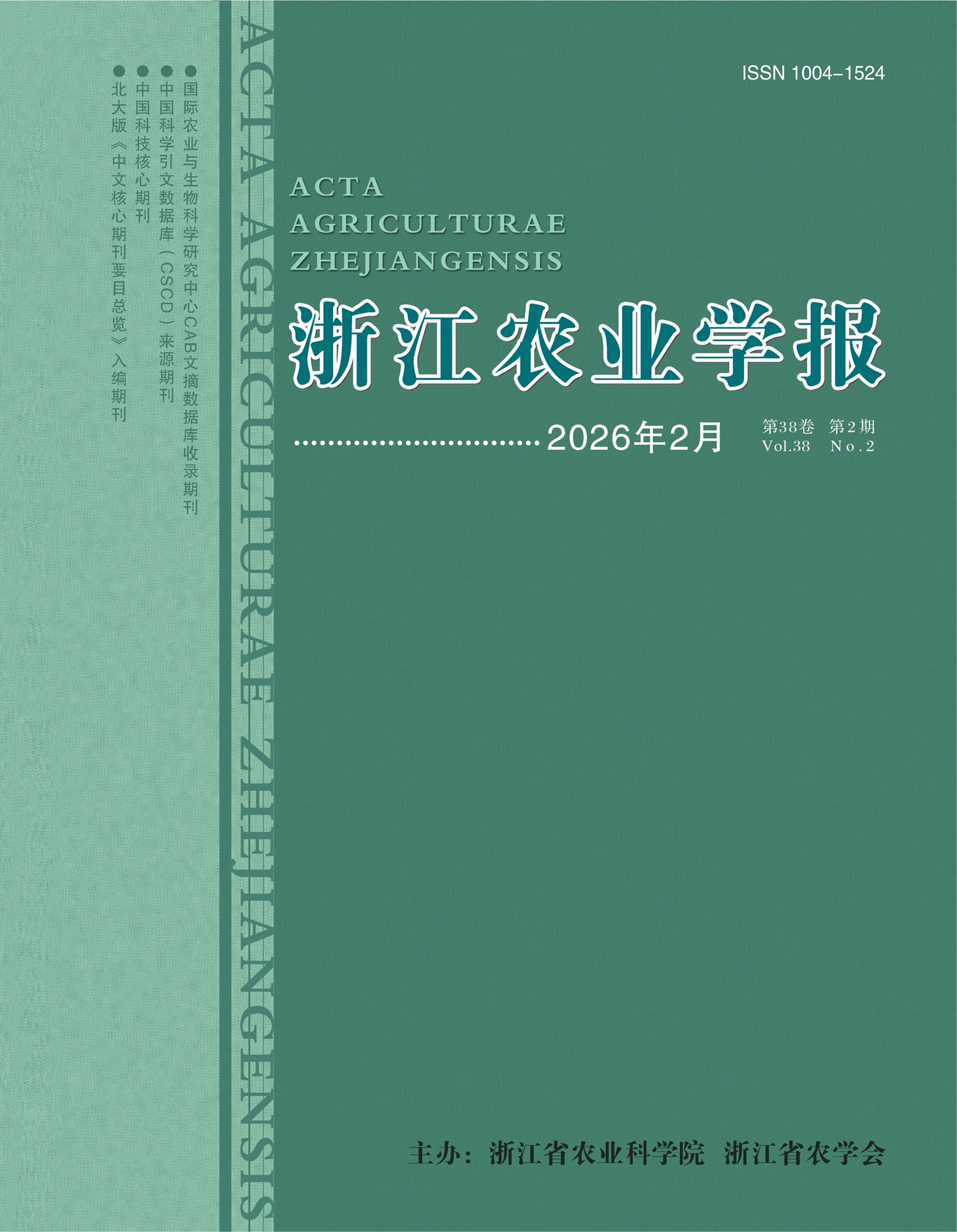
    Contents
    Contents
    2026, 38(2):  0-0. 
    Abstract ( 73 )   PDF (17199KB) ( 79 )  
    Related Articles | Metrics
    Crop Science
    Effects of exogenous spraying of folic acid on the folic acid content and quality of rice
    ZHANG Yue, WANG Jingran, ZHOU Qiang, CHEN Meiling, WANG Yanhong
    2026, 38(2):  197-205.  DOI: 10.3969/j.issn.1004-1524.20240946
    Abstract ( 119 )   HTML ( 54 )   PDF (1060KB) ( 119 )  

    In this experiment, Yanjing 48 was used as the test rice material. The effects of exogenous folic acid spraying on the nutritional quality and growth and development of rice were explored by exogenous spraying of calcium 5-formyltetrahydrofolate and calcium 5-methyltetrahydrofolate at different growth stages: jointing, heading, and filling. The results showed that when the application rate of folic acid was 225 g·hm-2, the contents of 5-FTHF, 5-MTHF and total folic acid in rice were the highest, increased by 66.80%, 52.43% and 13.20%, respectively. Meanwhile, at different growth stages of rice, compared with single-period spraying, the folic acid content of rice significantly increased after multi-period spraying. Additionally, folic acid application led to a reduction in amylose content by 0.24-1.49 percentage points, while improving taste value by 4.44%-6.85%, increasing plant height by 2.99%-5.91%, and increasing yield by 2.95%-7.94%. These findings indicated that the application of exogenous folic acid not only increased folic acid accumulation in rice grains but also positively affected eating quality and agronomic traits during the development of rice.

    Figures and Tables | References | Related Articles | Metrics
    Screening, identification and fermentation condition optimization of a novel starch-degrading bacterium isolated from tobacco leaves
    ZHOU Hang, SUN Mengyao, YANG Aiyong, YU Yangyang, QIU Yao, YANG Yongfeng, CHEN Hongli
    2026, 38(2):  206-216.  DOI: 10.3969/j.issn.1004-1524.20250222
    Abstract ( 76 )   HTML ( 19 )   PDF (2156KB) ( 75 )  

    To effectively reduce the starch content in tobacco leaves and improve the quality, a strain K1 with high-efficiency starch-degrading capability was isolated from the surface of tobacco leaves. Molecular biological identification confirmed that the strain was Bacillus rugosus. Based on single-factor experiments and response surface methodology, the optimal fermentation conditions for the strain to degrade tobacco leaf starch were investigated. The results showed that the optimal carbon source, nitrogen source and inorganic salt were wheat bran, soybean meal and potassium dihydrogen phosphate (KH2PO4), respectively. After optimization, the optimal fermentation conditions were determined as follows: wheat bran at 13.6 g·L-1, soybean meal at 11.7 g·L-1, KH2PO4 at 12.5 g·L-1, initial pH value of 8.0, rotation speed of 200 r·min-1 and fermentation temperature of 32 ℃. Under these conditions, the amylase activity of the strain reached 145.08 U·mL-1. After fermentation, the starch content in tobacco leaves decreased by 49.43%, while the contents of total sugar and reducing sugar increased by 9.11% and 11.05%, respectively. This study provides an excellent strain resource for degrading tobacco leaf starch and improving tobacco leaf quality, and lays a foundation for the further development and utilization of tobacco leaf starch-degrading bacteria.

    Figures and Tables | References | Related Articles | Metrics
    Animal Science
    Impact of Israeli acute paralysis virus infection on the production of royal jelly in Apis mellifera ligustica
    FAN Yingxi, LIU Yao, ZHENG Qiulan, ZHENG Huoqing
    2026, 38(2):  217-224.  DOI: 10.3969/j.issn.1004-1524.20250155
    Abstract ( 60 )   HTML ( 11 )   PDF (2261KB) ( 71 )  

    To investigate the impact of Israeli acute paralysis virus (IAPV) on royal jelly production in Apis mellifera ligustica, newly emerged worker bees were fed sucrose solutions containing three different concentrations of IAPV, following confirmation of the virus’s preferential infection of the hypopharyngeal and mandibular glands. Transcriptome sequencing was first employed to preliminarily assess the virus’s effects on royal jelly secretion. Subsequently, RT-qPCR and liquid chromatography were used to measure the relative expression levels of major royal jelly protein (mrjp) genes and the content of 10-hydroxy-2-decenoic acid (10-HDA), respectively. The results showed that high-concentration viral inoculation significantly reduced worker bee survival rates, with a median lifespan of only 16.5 days, and markedly disrupted protein and fatty acid synthesis pathways in the bees’ heads. Further analysis by RT-qPCR and liquid chromatography revealed that, by day 18, high-concentration viral infection led to a 96% decrease in mrjp1 gene expression and an 11.98 μg reduction per bee in 10-HDA content. These findings demonstrate that IAPV impairs royal jelly secretion by suppressing the synthesis of major royal jelly proteins and fatty acids.

    Figures and Tables | References | Related Articles | Metrics
    Highly efficient extraction technology of chitooligosaccharides in the chrysalis shell of Hermetia illucens
    LIU He, KOU Rui, LI Junli, PENG Shiliang, LIAN Tianjing, MAI Liwen, YANG Xia, WANG Dingmei, SHAO Mingying
    2026, 38(2):  225-238.  DOI: 10.3969/j.issn.1004-1524.20250315
    Abstract ( 57 )   HTML ( 11 )   PDF (1811KB) ( 71 )  

    To address the environmental concerns associated with traditional extraction methods for chitooligosaccharides from black soldier fly (Hermetia illucens) chrysalis shells, this study aimed to develop an environmentally friendly pretreatment and enzymatic hydrolysis process for the efficient conversion of these shells into chitooligosaccharides. Using black soldier fly chrysalis shells as the raw material, physical pretreatment was performed via ultrafine grinding combined with ultrasonication. Organic acids, including formic acid, oxalic acid, and citric acid, were used for demineralization. Subsequently, enzymatic hydrolysis was conducted using various chitin-hydrolyzing enzymes, such as keratinase, and the effects of temperature, enzyme dosage, and metal ion cofactors on hydrolysis efficiency were investigated. The feasibility of using acidic cellulase as a substitute for chitinase was also explored. The results showed that citric acid was most effective in removing calcium carbonate from the chrysalis shells; ultrasonication did not significantly enhance subsequent enzymatic hydrolysis efficiency; chitinase hydrolysis efficiency increased with higher temperature and enzyme dosage; metal ions exhibited either promotive or inhibitory effects on the activity of different chitin-hydrolyzing enzymes; and acidic cellulase could effectively degrade chitin in the shells, performing comparably to chitinase. This study established a green extraction process for chitooligosaccharides from black soldier fly chrysalis shells based on organic acid demineralization and enzymatic degradation. It confirmed that acidic cellulase can serve as an effective alternative to chitinase, providing a feasible pretreatment strategy and enzyme selection basis for the high-value utilization of black soldier fly chrysalis shells. This contributes to enhancing the utilization efficiency of black soldier fly biomass and promoting the circular development of agricultural organic waste.

    Figures and Tables | References | Related Articles | Metrics
    Horticultural Science
    Comparison of association algorithm models for main leaf head traits in early-maturing cabbage
    SHAO Dengkui, LIU Min, JIANG Chengjie, YANG Juan, REN Yanjing, LI Jiang, WEN Junqin
    2026, 38(2):  239-247.  DOI: 10.3969/j.issn.1004-1524.20250198
    Abstract ( 67 )   HTML ( 13 )   PDF (1066KB) ( 72 )  

    To screen early-maturing cabbage (Brassica oleracea var. capitata) resources with different head firmness, this study simulated various head firmness algorithm formulas based on the correlations among main head agronomic traits. Contour analysis and regression analysis were conducted between the established algorithms and overlapping degree, firmness, and measured firmness, followed by reliability evaluation of the optimal regression models. A total of 12 head firmness algorithm formulas were developed for early-maturing round-headed cabbage and 6 for medium-early-maturing flat-headed cabbage. Contour analysis revealed that two algorithm formulas for round-headed cabbage showed contour similarity with overlapping degree and measured firmness, while for flat-headed cabbage, four algorithm formulas exhibited contour similarity with measured firmness. Trend analysis indicated that algorithm formula Z12 more accurately expressed the head firmness of round-headed cabbage, and T4more accurately expressed the firmness of flat-headed cabbage. Using main agronomic traits, multiple linear regression equations for Z12 and T4were established through stepwise regression, with coefficient of determination (R2) of optimal model reaching 0.854 and 0.998, respectively, demonstrating high reliability. The head firmness algorithms for cabbage established through parameter optimization in this study provide a scientific basis for comprehensive evaluation of commercial quality.

    Figures and Tables | References | Related Articles | Metrics
    Indicator screening and model development for evaluating pumpkin fruit quality
    LIU Jing, WANG Jian, HUANG Yu, WU Xiaohua, GUO Xuanhe, WANG Ying, LI Guojing, XU Xiaojiang
    2026, 38(2):  248-257.  DOI: 10.3969/j.issn.1004-1524.20250508
    Abstract ( 73 )   HTML ( 16 )   PDF (1397KB) ( 64 )  

    To establish a comprehensive evaluation model for pumpkin fruit quality, 51 accessions of Cucurbita moschata and 95 accessions of Cucurbita maxima were used as materials. Eleven fruit quality indicators were measured, and correlation analysis, factor analysis, cluster analysis, and two-dimensional factor ordination were applied to construct the evaluation model. The results indicated that moisture content, cellulose, soluble sugar, β-carotene content, and sweetness of C. moschata were significantly higher than those in C. maxima. In contrast, starch content, amylose content, viscosity, dryness/wetness, and fibrous texture in C. maxima were significantly higher than those in C. moschata. The coefficients of variation for the 11 fruit quality indicators ranged from 9.00% to 69.04%. Moisture content showed the smallest coefficient of variation, while soluble sugar content exhibited the largest. Factor analysis extracted five common factors, with a cumulative variance contribution rate of 90.27%. The first common factor (F1) had the highest variance contribution rate (34.60%) and was primarily associated with moisture content, soluble sugar content, starch content, and amylose content. Based on this, an evaluation model for pumpkin fruit quality was established: Y=0.383 2F1+0.263 2F2+0.132 1F3+0.127 5F4+0.094 0F5. Furthermore, correlation analysis and cluster analysis simplified the eleven original quality indicators into three representative indicators: starch content, fibrous texture, and soluble sugar content. The scatter distribution of F1 and the second common factor (F2) confirmed high consistency between model-predicted values and actual measured values. The evaluation model developed in this study provides a methodological basis for pumpkin fruit quality assessment and serves as a reference for breeding high-quality pumpkin varieties.

    Figures and Tables | References | Related Articles | Metrics
    Genetic diversity analysis of Hippeastrum breed resources based on distinctness, uniformity, and stability testing
    ZHONG Hongrui, CHU Yunxia, DENG Shan, ZHANG Yu, ZHANG Yongchun, REN Li, ZHAO Hong, ZHANG Yiying, LIU Kun, CAO Jianguo, CHEN Hairong
    2026, 38(2):  258-268.  DOI: 10.3969/j.issn.1004-1524.20250061
    Abstract ( 66 )   HTML ( 11 )   PDF (3118KB) ( 66 )  

    To provide a scientific basis for the identification of germplasm resources and the formulation of breeding strategies in the genus Hippeastrum, this study comprehensively employed principal component analysis (PCA), correlation analysis, and cluster analysis to conduct distinctness, uniformity, and stability (DUS) testing on 164 Hippeastrum cultivars based on 29 phenotypic traits. The results showed that the intraspecific coefficient of variation for the individual measurement traits ranged from 5.22% to 15.57%. Among all traits, the Shannon-Wiener diversity index of flower: pedicel length was the highest, reaching 1.90. For the group visual observation traits, the top three traits with the highest Shannon-Wiener diversity index were flower: shape of outer tepal (1.865), flower: color pattern (1.724), and flower: color of inner side (1.705). Eight principal components were extracted from the 29 traits, with a cumulative contribution rate of 66.95%. The factors with the highest loadings on these eight principal components were flower: width of outer tepal, pistil: color, flower: diameter, flower: shape in front view, inflorescence: number of flowers, peduncle: anthocyanin coloration at base, flower: shape of outer tepal, flower: color pattern. Among the tested traits, flower: color pattern, flower: shape of outer tepal showed significant (p<0.01) correlations only with a few traits, while no significant correlations were observed with most other traits. The 164 cultivars were classified into 3 groups, containing 78, 65, and 21 cultivars respectively, by cluster analysis.

    Figures and Tables | References | Related Articles | Metrics
    Genome-wide analysis of the TCP gene family in Astragalus membranaceus (Fisch.) Bunge and its response to abiotic stress
    MA Qiyang, HUANG Xuelian
    2026, 38(2):  269-283.  DOI: 10.3969/j.issn.1004-1524.20241050
    Abstract ( 73 )   HTML ( 10 )   PDF (6579KB) ( 74 )  

    This study aimed to identify and characterize the TCP gene family in Astragalus membranaceus(Fisch.) Bunge and elucidate its role in abiotic stress responses, and provide a theoretical basis for investigating the functional role of TCP genes in Astragalus membranaceus(Fisch.) Bunge under abiotic stress conditions. A systematic analysis of the TCP genes in Astragalus membranaceus(Fisch.) Bunge and their encoded amino acid sequences was conducted using bioinformatics methods. RNA-seq technology was employed to investigate the expression patterns of TCP genes in different tissues (roots, stems, and leaves) of Astragalus membranaceus(Fisch.) Bunge. Additionally, the expression profiles of five representative AmTCP genes under abiotic stress conditions (high temperature, drought, and salt stress) were validated through real-time quantitative PCR (RT-qPCR). The results showed that a total of 24 TCP genes were identified and unevenly distributed on 8 chromosomes of Astragalus membranaceus(Fisch.) Bunge. The 24 AmTCP genes can be classified into Class Ⅰ (PCF) and Class Ⅱ (CYC/TB1 and CIN). Proteins within the same subfamily had highly similar motif compositions, and most AmTCP genes lack introns. Fragment duplication played an important role in the evolution of the TCP gene family in Astragalus membranaceus(Fisch.) Bunge. In addition, analysis of the promoter region revealed multiple light-responsive elements and hormone-responsive elements. Tissue expression analysis showed that the AmTCP genes had significant tissue expression specificity. Under abiotic stress, there were significant differences in the expression levels of five representative AmTCP genes, among which AmTCP18 and AmTCP19 genes showed higher expression levels under various stress conditions. In summary, AmTCP18 and AmTCP19 may play a key role in the response of Astragalus membranaceus(Fisch.) Bunge to abiotic stress. This study lays the foundation for further functional and evolutionary research on the TCP gene family of Astragalus membranaceus(Fisch.) Bunge.

    Figures and Tables | References | Related Articles | Metrics
    Structural characterization and phylogenetic analysis of the chloroplast genome of Cyclocarya paliurus (Batal.) Iljinskaja leaves
    YIN Minghua, KANG Haiyan, ZHONG Keqing, WU Lijuan, HU Liexin, WU Chunfa, GONG Shuifei
    2026, 38(2):  284-300.  DOI: 10.3969/j.issn.1004-1524.20250193
    Abstract ( 60 )   HTML ( 7 )   PDF (10972KB) ( 72 )  

    To investigate the structural characteristics and phylogenetic relationships of the chloroplast genome of Cyclocarya paliurus (Batal.) Iljinskaja, this study used leaves of C. paliurus from Guangxin District, Shangrao City, Jiangxi Province as material. The complete chloroplast genome sequence was obtained through high-throughput sequencing, and its sequence characteristics, codon usage bias, and phylogenetic relationships were analyzed using bioinformatics methods. The results showed that the complete chloroplast genome of C. paliurus from Guangxin District, Shangrao City, was 160 992 bp in length, with an average GC content of 37.48%. A total of 133 genes were annotated, including 88 protein-coding genes, 37 tRNA genes and 8 rRNA genes. 84 simple sequence repeats (SSR) were identified, predominantly consisting of A/T repeats, along with 52 long repeats, mainly forward repeats and palindromic repeats. Comparison with 15 related species revealed that the gene types and arrangement order in the four boundary regions [LSC-IRB(JLB), SSC-IRB(JSB), SSC-IRA(JSA) and LSC-IRA(JLA)] of the C. paliurus chloroplast genome were largely consistent, with no significant differences in the extent of boundary expansion or contraction. Ten highly variable regions were identified in the LSC and SSC: matK_rps16, rps16_trnQ-UUG, psbK_psbI, trnS-GCU_trnG-GCC, trnT-GGU_psbD, ndhC_trnV-UAC, trnV-UAC, rpl22, ycf1, and rps15_ycf1. The overall codon usage bias in the C. paliurus chloroplast genome was weak and primarily influenced by natural selection. 15 optimal codons were identified: AAU, GAA, CAU, AAA, AUU, AUG, GGA, GGU, CCU, ACA, GUA, GUU, CGU, UUG and AGU, most of which end with U or A. Phylogenetic analysis indicated that C. paliurus from Guangxin District, Shangrao City, clusters closely with the diploid C. paliurus from Nanjing (MW531677, Cyclocarya paliurus isolate 2nPA), showing a close genetic relationship. The findings of this study provided a theoretical basis for research on genetic diversity, molecular breeding, and species identification of C. paliurus.

    Figures and Tables | References | Related Articles | Metrics
    Plant Protection
    Identification of the pathogen causing mulberry snags rotten leaves disease and resistance of 47 mulberry varieties
    CHEN Quan, LI Hui, YANG Jing, XU Songlin, ZHANG Shukang, LIU Zhongxian, HE Jinhui
    2026, 38(2):  301-309.  DOI: 10.3969/j.issn.1004-1524.20240999
    Abstract ( 69 )   HTML ( 20 )   PDF (1854KB) ( 71 )  

    To identify the pathogen responsible for the prevalent leaf diseases in the mulberry production area of Qianjiang, Chongqing, and to evaluate the resistance levels of different mulberry varieties for establishing precise and efficient control methods to reduce mulberry leaf loss, this study was conducted. Through field sampling, indoor isolation and cultivation, PCR amplification of ITS, ACT, TUB, and TEF gene fragments, and construction of a phylogenetic tree, the pathogen was identified. The resistance of 47 mulberry varieties was evaluated by in vitro leaf inoculation and assessment of disease incidence and average diameter of disease spots after 6 days. The strain HBB1, isolated from mulberry leaves in Qianjiang District, Chongqing, was identified as a new variant of the mulberry snags rotten leaves disease (Boeremia exigua), named Boeremia exigua var. mori. After inoculation with HBB1, the incidence rate reached 100% for 21 varieties including Chuansang 7657, Husang 32, and Nongsang 14, while Chuansang 90-4 showed the lowest incidence rate (53.84%). Regarding disease spot diameter, 6 varieties including Chuan Sang 33, Chuan Sang 39, and Chuan Sang 7657 exhibited disease spot diameters greater than 12 mm, and were classified as highly susceptible varieties. In contrast, Fushe 1 showed a disease spot diameter of 2.09 mm, identifying it as a highly resistant variety. Additionally, 32 varieties demonstrated resistance or moderate resistance. In conclusion, this study is the first to confirm that the pathogen causing mulberry snags rotten leaves disease in Qianjiang, Chongqing, is the new variety Boeremia exigua var. mori. It systematically reveals the differences in resistance among mulberry varieties to this pathogen, providing a scientific basis for breeding resistant varieties and implementing precise disease control.

    Figures and Tables | References | Related Articles | Metrics
    Establishment of a rapid detection method for pepper mottle virus using RT-LAMP-LFD
    FU Kang, ZHANG Can, ZHAO Wei, MA Ning, YU Xiaoping, SUN Kai
    2026, 38(2):  310-316.  DOI: 10.3969/j.issn.1004-1524.20240711
    Abstract ( 56 )   HTML ( 9 )   PDF (901KB) ( 59 )  

    Pepper mottle virus (PepMoV), a member of the Potyvirus genus, is one of the significant viruses that infect peppers. This virus is transmitted in a non-persistent manner by aphids, posing a severe threat to the pepper industry in Zhejiang Province. To achieve rapid detection of this virus, this study established a detection method combining reverse transcription loop-mediated isothermal amplification (RT-LAMP) with lateral flow diagnostic strips (LFD), enabling quick and visual detection of PepMoV in peppers. A set of RT-LAMP-specific primers was designed targeting the conserved sequences of the PepMoV coat protein (CP) gene. The optimized RT-LAMP-LFD method, under isothermal conditions at 63 ℃ for 40 minutes, followed by a 5-minute color reaction on the test strip, can complete the sample detection. This method demonstrates excellent performance in terms of specificity and sensitivity, achieving a 10-fold increase in sensitivity compared with traditional RT-qPCR. It provides an efficient and convenient tool for the rapid diagnosis of PepMoV, with potential for widespread application in pepper disease prevention and control.

    Figures and Tables | References | Related Articles | Metrics
    Environmental Science
    Effects of microplastics on physiological and biochemical characteristics of Sinorhizobium fredii and its ability to mobilize insoluble phosphorus in soil
    CHENG Zhengming, YU Sunjie, ZHANG Liang
    2026, 38(2):  317-326.  DOI: 10.3969/j.issn.1004-1524.20250034
    Abstract ( 61 )   HTML ( 14 )   PDF (4822KB) ( 94 )  

    To investigate the effects of microplastics on the physiological and biochemical properties of rhizobia and their ability to activate insoluble phosphorus in soil, Sinorhizobium fredii was selected as the test strain. The impacts of monodisperse polystyrene microplastics (PS-MPs) at different concentrations on the growth, biofilm formation, antioxidant system, and phosphorus-solubilizing capacity of S. fredii were studied. The results showed that microplastics affected the growth of S. fredii. Treatments with 80-300 mg·L-1 PS-MPs significantly (p<0.05) promoted biofilm formation. All PS-MPs treatments at 20-300 mg·L-1 significantly increased the contents of hydrogen peroxide (H2O2) and soluble protein in S. fredii; however, the responses of different types of antioxidant enzymes and antioxidant substances varied, reflecting the complexity of the antioxidant defense mechanism in S. fredii. Additionally, PS-MPs treatments at 20-300 mg·L-1 all led to a significant decrease in the content of available phosphorus in soil than that of the treatment without PS-MPs, indicating that microplastic pollution impaired the ability of S. fredii to activate insoluble phosphorus in soil. These results not only reveal the mechanism underlying the effects of microplastic pollution on the physiological and biochemical metabolism of S. fredii, but also provide a basis for in-depth understanding of the biological functions of rhizobia and optimization of soil phosphorus cycling.

    Figures and Tables | References | Related Articles | Metrics
    Effect and mechanisms of remediation on salinized greenhouse soil by earthworm-straw
    LIU Jiaming, WANG Nan, MA Zhimei, LYU Weiguang, ZHENG Xianqing, SONG Ke, ZHANG Hanlin, ZHANG Haiyun, ZHANG Yue, ZHANG Juanqin
    2026, 38(2):  327-338.  DOI: 10.3969/j.issn.1004-1524.20250118
    Abstract ( 62 )   HTML ( 18 )   PDF (4559KB) ( 75 )  

    Aimed at the production obstacles associated with salinized greenhouse soil, an experiment was conducted on soils with 10 years of continuous cropping of grape (electrical conductivity of 2 301.55 μS·cm-1) to evaluate the remediation effect of the combined application of earthworms and straw on salinized greenhouse soil and identify the key functional microorganisms involved. Earthworms and rice straw were introduced for soil remediation, with six treatments established: no earthworms or straw addition (CK), 1% rice straw addition (S1), 2% rice straw addition (S2), 0.6 kg·m-2 Pheretima guillelmi addition (E), 0.6 kg·m-2 P. guillelmi combined with 1% rice straw (S1E), and 0.6 kg·m-2 P. guillelmi combined with 2% rice straw (S2E). On the 90th day (the end of the experiment), the electrical conductivity of the topsoil (0-20 cm) in treatments S1, S2, S1E, and S2E decreased by 46.43%, 49.74%, 52.34%, and 53.44%, respectively, compared with that on the 15th day. Compared with CK, the contents of alkali-hydrolyzable nitrogen, available phosphorus, available potassium, organic matter, and dissolved organic carbon in S1E and S2E were significantly (p<0.05) increased by 12.68%-14.16%, 12.45%-14.58%, 14.89%-17.10%, 19.48%-21.24%, and 30.19%-31.03%, respectively. Besides, three-dimensional excitation-emission matrix (3D-EEM) fluorescence spectroscopy analysis revealed an increase in the content of humic substances in the soil. Among the treatments with straw addition (S1, S2, S1E, S2E), the absolute abundances of straw-degradation-related genera (e.g., Sphingomonas, Devosia, Altererythrobacter, Chthoniobacter, norank_f_Microscillaceae) and salt-sensitive genera (e.g., Pseudoxanthomonas, Luteolibacter, Arthrobacter, norank_f_norank_o_Gaiellales) were all higher than those in CK. Overall, the combined remediation with earthworms and straw reduced soil salinity, improved soil fertility, and alleviated the salt stress on soil microbial communities in salinized greenhouse soil, which was attributed to promoting the downward migration of salt ions in the topsoil, enhancing straw degradation, and regulating the soil microbial community structure.

    Figures and Tables | References | Related Articles | Metrics
    Research on carbon storage of tea trees and carbon footprint of tea products in Lishui City, Zhejiang Province, China
    DONG Ruili, GU Lei, ZHANG Meng, ZHOU Guomo
    2026, 38(2):  339-350.  DOI: 10.3969/j.issn.1004-1524.20250206
    Abstract ( 57 )   HTML ( 13 )   PDF (6154KB) ( 57 )  

    Scientifically and reasonably assessing the carbon footprint of tea products helps to promote environmental protection and drive the sustainable development of the tea industry. This study aimed to evaluate the life cycle carbon footprint of tea products from “cradle to gate” in Lishui City by establishing a tea plant biomass estimation model to calculate carbon sequestration during the cultivation stage, combined with carbon emissions from processing and distribution. The results showed that: The R2 values for above-ground, below-ground, and total biomass models all exceed 0.80; The average annual carbon storage benefit of tea plants was 10.57 kg·kg-1(CO2-eq); The average carbon footprint of tea products was 0.49 kg·kg-1(CO2-eq); From 2015 to 2023, the average annual carbon emissions from tea production in Lishui reached 2 133 t (CO2-eq), with an average emission intensity of 0.41 t·hm-2. The study revealed that the annual carbon storage effect of tea plants exceeds cultivation-stage emissions, playing a significant role in tea product carbon footprint assessment. Moreover, tea product carbon emissions in Lishui showed an increasing trend from 2015 to 2023, with Songyang and Suichang counties exhibiting the highest emission intensity. This research provided methodological insights for related studies and theoretical support for low-carbon tea production.

    Figures and Tables | References | Related Articles | Metrics
    Effects of intercropping with soybean and alfalfa on the rhizosphere soil microbial community structure of Paeonia rockii
    YANG Yushan, ZHANG Miaomiao, LYU Zengwei, CHEN Xue, HUANG Qiuliang, LIU Haoyang, CAO Minghui, HUANG Zhenbei, ZHANG Guofang
    2026, 38(2):  351-363.  DOI: 10.3969/j.issn.1004-1524.20250154
    Abstract ( 66 )   HTML ( 11 )   PDF (5035KB) ( 62 )  

    This study aimed to investigate the effects of monocropping of Paeonia rockii and its intercropping with Glycine max and Medicago sativa L., respectively, on the rhizosphere soil microbial community structure, providing a theoretical basis for optimizing the ecological planting patterns of P. rockii. Using P. rockii monoculture as the control, treatments of P. rockii-G. max intercropping and P. rockii-M. sativa intercropping were established. Rhizosphere soil samples were collected, and high-throughput sequencing technology was used to analyze the composition and diversity of bacterial and fungal communities. The results indicated that, with the exception of available potassium, intercropping with soybean or alfalfa had no significant effect on soil available nutrient content but altered the rhizosphere microbial community structure. Intercropping with alfalfa increased the richness of bacterial communities, intercropping with soybean had no significant effect on the richness and diversity of fungal communities. Additionally, intercropping with soybeam increased the relative abundance of beneficial microbial groups such as Proteobacteria, Actinobacteriota, and Basidiomycota, and reduced the relative abundance of the pathogenic fungus Fusarium. In conclusion, intercropping of P. rockii helped enhance the abundance of beneficial rhizosphere microbes and suppressed pathogen enrichment. Intercropping with soybean showed greater advantages in improving the fungal community structure, making it more conducive to improving the rhizosphere soil micro-ecological environment of P. rockii.

    Figures and Tables | References | Related Articles | Metrics
    Quality and Safety of Agricultural Products
    Impact of cultivation practices of leaf mustard on heavy metal content in its processed dried products
    ZHENG Yujie, WANG Jing, ZHOU Chenhui, MEI Jianping, ZHAO Fengliang, ZHOU Yaping, MA Yingran, WEI Haonan, XU Shengke, WANG Lailiang, CUI Haifeng
    2026, 38(2):  364-371.  DOI: 10.3969/j.issn.1004-1524.20250073
    Abstract ( 61 )   HTML ( 10 )   PDF (1487KB) ( 78 )  

    Leaf mustard is an important raw material for dried vegetable processing, yet it exhibits a strong ability to absorb heavy metals. Therefore, this study comparatively analyzed the effects of the cultivation environment, cultivation season, and different plant parts of leaf mustard on the contents of lead (Pb), cadmium (Cd), and arsenic (As) in the processed dried products. The results showed that heavy metals in the soil were the main factor affecting heavy metal residues in dried products, and the closer the leaf mustard planting site was to the highway, the higher the contents of Pb, Cd, and As in the dried products. The Pb contents in the yellow-dried products and black-dried products made from spring-sown leaf mustard were significantly (p<0.05) lower than those produced from winter-sown leaf mustard; the Cd content in the yellow-dried products made from spring-sown leaf mustard was also significantly lower than that of products made from winter-sown leaf mustard. The contents of Pb, Cd, and As in yellow-dried and black-dried products made from the outer part of winter-sown leaf mustard plants were significantly higher than those produced from the inner part. The research results can provide technical support for the safe production of dried vegetable products from leaf mustard.

    Figures and Tables | References | Related Articles | Metrics
    Risk assessment of pesticide residues in Vitis vinifera cv. Thompson Seedless and dried products in Xinjiang of China
    BIAN Xiaoxia, SHI Mengdi, YANG Yizhong, FAN Yingying, ZHANG Yuchen, WANG Yujing, WANG Fulan, WANG Cheng, LIU Fengjuan
    2026, 38(2):  372-382.  DOI: 10.3969/j.issn.1004-1524.20250033
    Abstract ( 69 )   HTML ( 14 )   PDF (1366KB) ( 71 )  

    To evaluate the potential health risks posed by pesticide residues in Vitis vinifera cv. Thompson Seedless and its dried products (raisin) from Xinjiang of China, a total of 120 samples of grape and raisin were collected from the major producing areas of Xinjiang for pesticide residue detection. Dietary intake risk assessment and ranking were conducted for the detected pesticides, and recommended maximum residue limits (MRLs) were put forward for those pesticides with detectable residues but without established national MRLs. The results showed that 25 and 13 types of pesticides were detected in the tested grape and raisin samples, respectively, with all residue levels complying with the national MRLs standards. Both acute and chronic dietary intake risks of pesticide residues from the tested grape and raisin samples fell within the acceptable range. Risk ranking indicated that the pesticides with relatively high risk levels in grape samples were chlorpyrifos, abamectin and deltamethrin. To improve the quality and safety of Vitis vinifera cv. Thompson Seedless and its dried products, it is recommended that the MRLs for pyridaben in grape, and fenpropathrin, carbendazim and chlorfenapyr in raisin should be prioritized, with the proposed limits set at 2, 23, 22 and 22 mg·kg-1, respectively.

    Figures and Tables | References | Related Articles | Metrics
    Biosystems Engineering
    Lightweight and improved apple orchard fruit recognition model CS_YOLOv7
    OUYANG Yu, LIU Shuo, LI Mengmin, ZHANG Peng
    2026, 38(2):  383-396.  DOI: 10.3969/j.issn.1004-1524.20250100
    Abstract ( 85 )   HTML ( 11 )   PDF (8311KB) ( 79 )  

    Aiming at the problems faced by current fruit recognition in apple orchards, such as excessive model parameter scale, high computational resource consumption, and difficulty in achieving a good balance between model detection accuracy and speed, a lightweight improved model CS_YOLOv7 based on YOLOv7 was proposed. Firstly, the channel-split efficient layer aggregation network (CS_ELAN) and the spatial pyramid pooling fast (SPPF) module were introduced into the model to achieve overall lightweighting of the model. Secondly, the K-means++algorithm was adopted to generate new anchor boxes suitable for the dataset in this study, so as to enhance the model’s target localization capability. Thirdly, the Wise-IoU loss function was used to replace the original loss function, which reduced the harmful gradients of low-quality samples and improved the model convergence speed and target recognition localization accuracy. Finally, an attention mechanism SE_CBAM based on spatial and channel dimensions was added to enable the model to extract key features of small apple targets from a more global perspective. The results showed that, compared with the original YOLOv7 model, the improved model achieved a 1.7 percentage points increase in the mean average precision under the intersection over union of 0.5 (mAP@0.5), a reduction of 22.3 MB in model size, and an improvement of 118.9 frames·s-1 in detection speed. Meanwhile, the number of model parameters and computational complexity decreased by 31.8% and 16.1%, respectively. The CS_YOLOv7 model achieves multi-dimensional lightweighting while optimizing accuracy, which can be applied to the rapid recognition of young fruits in orchard datasets, and lays a foundation for efficient real-time target recognition and subsequent robotic picking in the future.

    Figures and Tables | References | Related Articles | Metrics
    Review
    Research progress on the application of azole antifungals in fungal disease control
    ZUO Lizi, WANG Xinhe, HAO Zhongna, XIAO Chenwen, WANG Jing, SHENTU Xuping, WANG Jiaoyu
    2026, 38(2):  397-404.  DOI: 10.3969/j.issn.1004-1524.20250276
    Abstract ( 64 )   HTML ( 13 )   PDF (921KB) ( 74 )  

    Fungal infections have become a major challenge threatening global public health and agricultural security. In the clinical field, invasive mycoses, particularly pulmonary aspergillosis and cryptococcal meningitis, demonstrate substantial mortality rates among immunocompromised individuals, while the continuous emergence of drug-resistant strains poses severe challenges to clinical treatment. In the agricultural field, phytopathogenic fungi including Fusarium spp., Magnaporthe oryzae, and Aspergillus spp. not only diminish agricultural productivity but also compromise food safety through mycotoxin contamination of food commodities. Azole antifungals constitute the cornerstone of fungal infection management, exhibiting broad-spectrum fungicidal activity by specifically inhibiting the key enzyme (Erg11/Cyp51) in the ergosterol biosynthesis pathway of fungal cell membranes. However, the monotropic mechanism of action coupled with widespread implementation has accelerating resistance development. The concurrent utilization of structurally similar azole compounds in both clinical and agricultural applications has facilitated interspecies transmission of resistance determinants, establishing a complex “environment-clinical resistance continuum”. This study comprehensively characterized the pathogenicity mechanisms of fungal pathogens, elucidated the pharmacological properties of azole compounds, examined their current clinical and agricultural applications, and analyzed the evolutionary patterns of resistance emergence. These findings provide scientific evidence for developing integrated mitigation strategies against this transdisciplinary challenge, with significant implications for human health preservation and sustainable agricultural systems.

    References | Related Articles | Metrics
    Biological mechanism of lytic polysaccharide monooxygenase and its applications in lignocellulose degradation
    ZHU Xiajing, SUN Hong, ZHOU Hanghai, WANG Xin, PI Erxu, TANG Jiangwu
    2026, 38(2):  405-416.  DOI: 10.3969/j.issn.1004-1524.20250179
    Abstract ( 72 )   HTML ( 15 )   PDF (1289KB) ( 93 )  

    Lytic polysaccharide monooxygenase (LPMO) is an oxidase whose biochemical characteristics, role in lignocellulosic degradation, protein engineering and optimization, and applications in industrial biotechnology have attracted widespread attention. Due to its complex structure and chemical composition, lignocellulose is difficult to degrade efficiently under natural conditions, and its effective degradation and transformation have become an important challenge. LPMO cleaves the crystalline surfaces of polysaccharides through oxidative reactions and synergizes with glycosidases to efficiently degrade lignocellulose. This function enables LPMO to play an important role in facilitating the degradation of naturally recalcitrant materials such as straw. The adoption of heterologous expression to produce LPMO in other hosts is an effective strategy to boost LPMO production and promote its industrialization. At present, numerous successful cases of LPMO genetic engineering have been reported, where its stability, activity, substrate specificity, and catalytic efficiency have been enhanced through various strategies. LPMO has found broad applications in industrial biotechnology, including disease-resistant plant, the food industry, and animal husbandry, demonstrating considerable potential. Future research may focus on further elucidating the catalytic degradation mechanism of LPMO, expanding studies on efficient heterologous expression and protein engineering, and advancing the industrial utilization of LPMO.

    Figures and Tables | References | Related Articles | Metrics
News
    Download
    Links