Acta Agriculturae Zhejiangensis ›› 2026, Vol. 38 ›› Issue (4): 655-668.DOI: 10.3969/j.issn.1004-1524.20250320
• Horticultural Science • Previous Articles Next Articles
Effects of different photoperiods on growth, quality, and photosynthetic parameters of pakchoi in plant factory
ZHANG Donghe1,2( ), CUI Jiawei1, MIAO Chen1, LI Xiaofeng1, ZHAN Xiuping2, WANG Qixu2, LI Jianyong2,*(), DING Xiaotao1,*()
- 1
Shanghai Key Laboratory of Protected Horticultural Technology ,Shanghai Academy of Agricultural Sciences Shanghai 201605, China
2Shanghai Agricultural Technology Extension Service Center Shanghai 201103, China
-
Received:2025-04-22Online:2026-04-25Published:2026-05-08 -
Contact:LI Jianyong,DING Xiaotao

CLC Number:
Cite this article
ZHANG Donghe, CUI Jiawei, MIAO Chen, LI Xiaofeng, ZHAN Xiuping, WANG Qixu, LI Jianyong, DING Xiaotao. Effects of different photoperiods on growth, quality, and photosynthetic parameters of pakchoi in plant factory[J]. Acta Agriculturae Zhejiangensis, 2026, 38(4): 655-668.
share this article
Add to citation manager EndNote|Ris|BibTeX
URL: http://www.zjnyxb.cn/EN/10.3969/j.issn.1004-1524.20250320
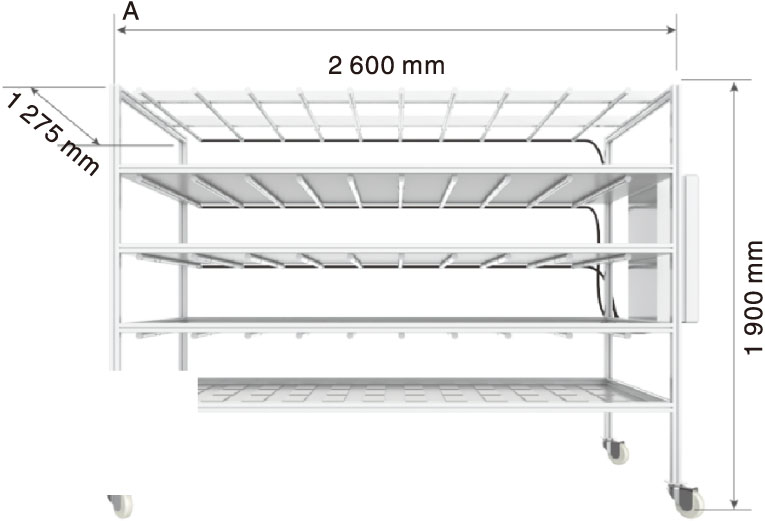
Fig.1 Vertical cultivation bed
| 光谱范围/nm Spectral range/nm | PPFD/(μmol· m-2·s-1) | PPF/(μmol· s-1) |
|---|---|---|
| 全波段Total(380~780) | 221.60 | 848.016 |
| 紫外光Ultraviolet light (380~399) | 0.13 | 0.048 |
| 蓝光Blue light (400~499) | 67.90 | 224.760 |
| 绿光Green light (500~599) | 28.40 | 94.068 |
| 红光Red light (600~699) | 125.40 | 529.080 |
| 远红光Far-red light(700~780) | 5.60 | 0.060 |
Table 1 Photosynthetic photon flux density (PPFD) and photosynthetic photon flux (PPF) of LED supplemental light
| 光谱范围/nm Spectral range/nm | PPFD/(μmol· m-2·s-1) | PPF/(μmol· s-1) |
|---|---|---|
| 全波段Total(380~780) | 221.60 | 848.016 |
| 紫外光Ultraviolet light (380~399) | 0.13 | 0.048 |
| 蓝光Blue light (400~499) | 67.90 | 224.760 |
| 绿光Green light (500~599) | 28.40 | 94.068 |
| 红光Red light (600~699) | 125.40 | 529.080 |
| 远红光Far-red light(700~780) | 5.60 | 0.060 |
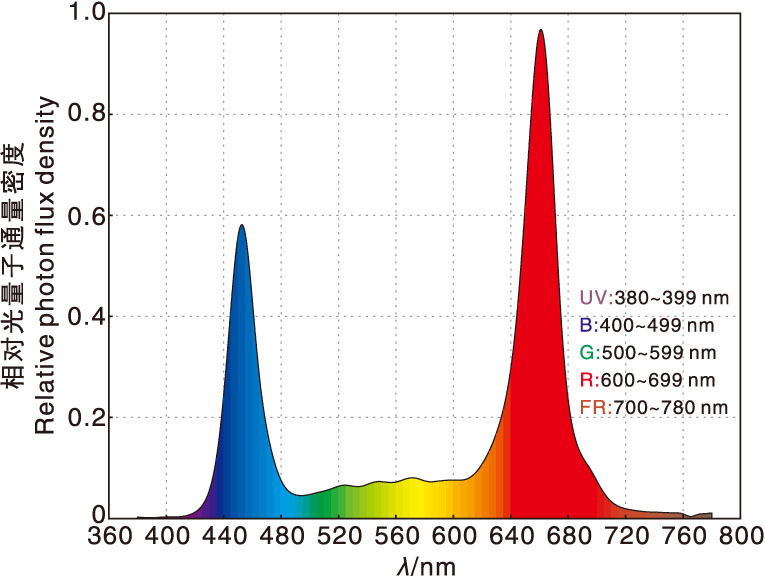
Fig.2 Spectrum of the LED lamps used in this study UV, Ultraviolet light; B, Blue light; G, Green light; R, Red light; FR, Far-red light.
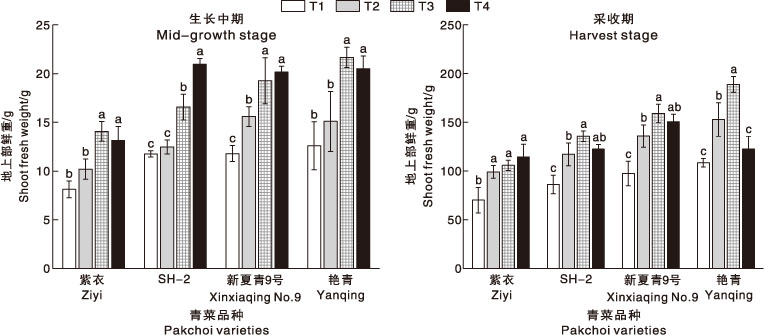
Fig.3 Shoot fresh weight of pakchoi under different photoperiod treatments Bars marked without the same lowercase letters for the same variety indicate significant (p<0.05) differences among treatments. The same as below.
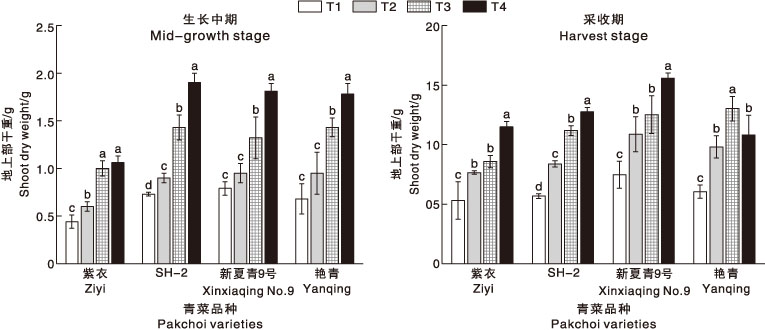
Fig.4 Shoot dry weight of pakchoi under different photoperiod treatments
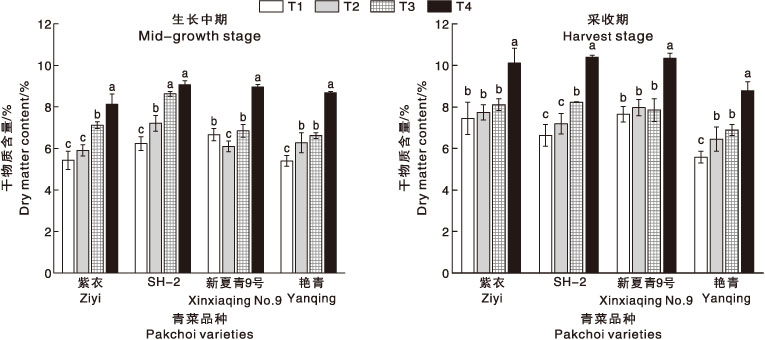
Fig.5 Dry matter content of pakchoi under different photoperiod treatments
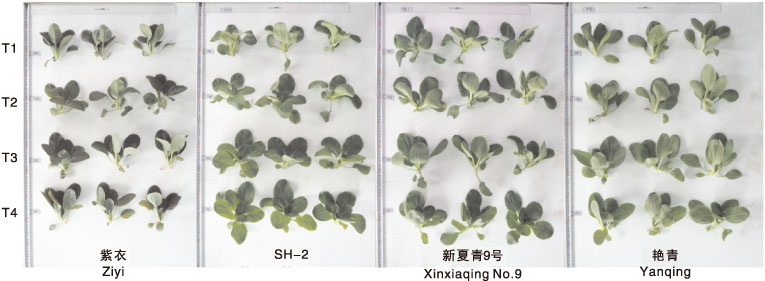
Fig.6 Growth of pakchoi under different photoperiod treatments (mid-growth stage)
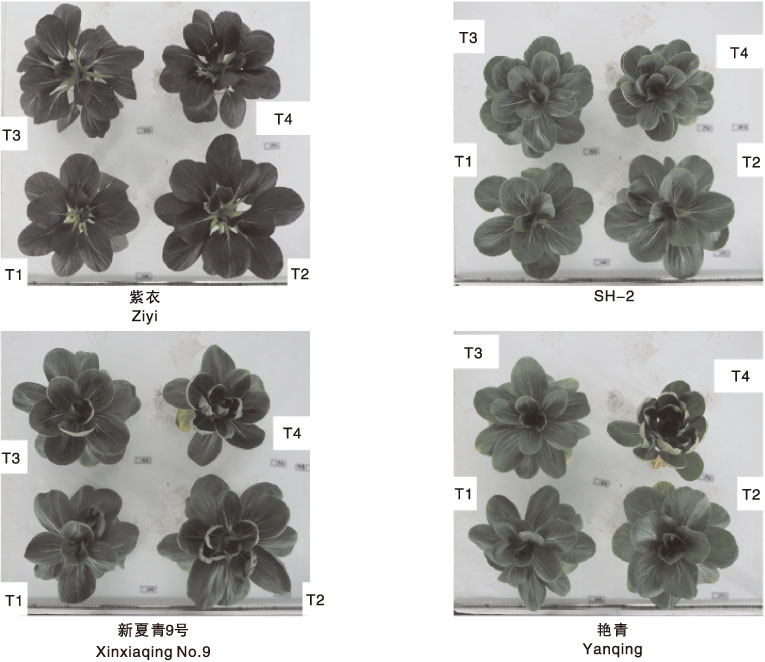
Fig.7 Growth of pakchoi under different photoperiod treatments (harvest stage)
| 处理 Treatment | 叶片的焦边数Leaf edge scorch count | |||
|---|---|---|---|---|
| 紫衣 Ziyi | SH-2 | 新夏青9号 Xinxiaqing No.9 | 艳青 Yanqing | |
| T1 | 0 | 0 | 0 | 0 |
| T2 | 0 | 0 | 2.00 | 0 |
| T3 | 0 | 0 | 3.33 | 2.00 |
| T4 | 0 | 4.67 | 8.00 | 8.67 |
Table 2 Leaf edge scorch count of pakchoi varieties at harvest stage under different photoperiod treatments
| 处理 Treatment | 叶片的焦边数Leaf edge scorch count | |||
|---|---|---|---|---|
| 紫衣 Ziyi | SH-2 | 新夏青9号 Xinxiaqing No.9 | 艳青 Yanqing | |
| T1 | 0 | 0 | 0 | 0 |
| T2 | 0 | 0 | 2.00 | 0 |
| T3 | 0 | 0 | 3.33 | 2.00 |
| T4 | 0 | 4.67 | 8.00 | 8.67 |
| 品种 Variety | 处理 Treatment | 株高/cm Plant height/cm | 株幅/cm Plant spread/cm | 叶片数 Leaf count | 最大叶长/cm Maximum leaf length/cm | 最大叶宽/cm Maximum leaf width/cm | 最大叶柄长/cm Maximum petiole length/cm | 最大叶柄宽/cm Maximum petiole width/cm | 叶柄厚度/mm Petiole thickness/mm |
|---|---|---|---|---|---|---|---|---|---|
| 紫衣 | T1 | 14.12 a | 28.02 b | 19.6 c | 20.97 a | 10.50 a | 8.43 a | 1.23 a | 2.80 a |
| Ziyi | T2 | 14.82 a | 31.20 a | 21.6 b | 23.10 a | 10.80 a | 9.50 a | 1.60 a | 3.24 a |
| T3 | 14.88 a | 32.06 a | 21.8 ab | 22.53 a | 10.67 a | 8.70 a | 1.67 a | 3.34 a | |
| T4 | 15.54 a | 30.50 a | 23.2 a | 22.00 a | 10.87 a | 8.20 a | 1.63 a | 3.20 a | |
| SH-2 | T1 | 12.00 b | 29.30 b | 18.4 c | 18.33 a | 10.47 a | 6.13 a | 2.20 b | 3.44 b |
| T2 | 13.22 ab | 30.90 a | 22.0 b | 18.50 a | 10.07 ab | 5.57 a | 2.60 a | 3.61 ab | |
| T3 | 14.26 a | 31.34 a | 24.4 a | 18.63 a | 10.13 ab | 5.50 a | 2.83 a | 4.12 a | |
| T4 | 12.40 b | 27.36 c | 24.2 a | 16.57 b | 9.30 b | 5.07 a | 2.63 a | 3.35 b | |
| 新夏青9号 | T1 | 12.98 b | 29.48 a | 20.6 c | 18.80 ab | 10.37 b | 6.07 ab | 2.27 b | 3.85 a |
| Xinxiaqing No.9 | T2 | 15.92 a | 30.24 a | 21.4 bc | 20.17 a | 11.70 a | 6.87 a | 2.37 ab | 4.34 a |
| T3 | 16.84 a | 30.76 a | 23.0 b | 19.77 a | 11.13 ab | 6.33 ab | 2.77 a | 4.48 a | |
| T4 | 13.96 b | 25.80 b | 25.4 a | 17.57 b | 10.43 b | 5.40 b | 2.43 ab | 4.23 a | |
| 艳青 | T1 | 14.00 b | 29.92 b | 19.4 b | 21.43 ab | 10.93 a | 7.63 a | 2.30 b | 4.15 b |
| Yanqing | T2 | 14.80 b | 35.72 a | 22.4 a | 22.53 a | 12.00 a | 7.43 ab | 2.77 a | 4.88 a |
| T3 | 14.96 b | 35.72 a | 23.4 a | 20.33 b | 11.33 a | 6.00 bc | 3.03 a | 4.95 a | |
| T4 | 17.24 a | 25.20 c | 23.4 a | 17.50 c | 10.37 a | 5.43 c | 2.90 a | 4.23 b |
Table 3 Growth indices of pakchoi at harvest stage under different photoperiod treatments
| 品种 Variety | 处理 Treatment | 株高/cm Plant height/cm | 株幅/cm Plant spread/cm | 叶片数 Leaf count | 最大叶长/cm Maximum leaf length/cm | 最大叶宽/cm Maximum leaf width/cm | 最大叶柄长/cm Maximum petiole length/cm | 最大叶柄宽/cm Maximum petiole width/cm | 叶柄厚度/mm Petiole thickness/mm |
|---|---|---|---|---|---|---|---|---|---|
| 紫衣 | T1 | 14.12 a | 28.02 b | 19.6 c | 20.97 a | 10.50 a | 8.43 a | 1.23 a | 2.80 a |
| Ziyi | T2 | 14.82 a | 31.20 a | 21.6 b | 23.10 a | 10.80 a | 9.50 a | 1.60 a | 3.24 a |
| T3 | 14.88 a | 32.06 a | 21.8 ab | 22.53 a | 10.67 a | 8.70 a | 1.67 a | 3.34 a | |
| T4 | 15.54 a | 30.50 a | 23.2 a | 22.00 a | 10.87 a | 8.20 a | 1.63 a | 3.20 a | |
| SH-2 | T1 | 12.00 b | 29.30 b | 18.4 c | 18.33 a | 10.47 a | 6.13 a | 2.20 b | 3.44 b |
| T2 | 13.22 ab | 30.90 a | 22.0 b | 18.50 a | 10.07 ab | 5.57 a | 2.60 a | 3.61 ab | |
| T3 | 14.26 a | 31.34 a | 24.4 a | 18.63 a | 10.13 ab | 5.50 a | 2.83 a | 4.12 a | |
| T4 | 12.40 b | 27.36 c | 24.2 a | 16.57 b | 9.30 b | 5.07 a | 2.63 a | 3.35 b | |
| 新夏青9号 | T1 | 12.98 b | 29.48 a | 20.6 c | 18.80 ab | 10.37 b | 6.07 ab | 2.27 b | 3.85 a |
| Xinxiaqing No.9 | T2 | 15.92 a | 30.24 a | 21.4 bc | 20.17 a | 11.70 a | 6.87 a | 2.37 ab | 4.34 a |
| T3 | 16.84 a | 30.76 a | 23.0 b | 19.77 a | 11.13 ab | 6.33 ab | 2.77 a | 4.48 a | |
| T4 | 13.96 b | 25.80 b | 25.4 a | 17.57 b | 10.43 b | 5.40 b | 2.43 ab | 4.23 a | |
| 艳青 | T1 | 14.00 b | 29.92 b | 19.4 b | 21.43 ab | 10.93 a | 7.63 a | 2.30 b | 4.15 b |
| Yanqing | T2 | 14.80 b | 35.72 a | 22.4 a | 22.53 a | 12.00 a | 7.43 ab | 2.77 a | 4.88 a |
| T3 | 14.96 b | 35.72 a | 23.4 a | 20.33 b | 11.33 a | 6.00 bc | 3.03 a | 4.95 a | |
| T4 | 17.24 a | 25.20 c | 23.4 a | 17.50 c | 10.37 a | 5.43 c | 2.90 a | 4.23 b |
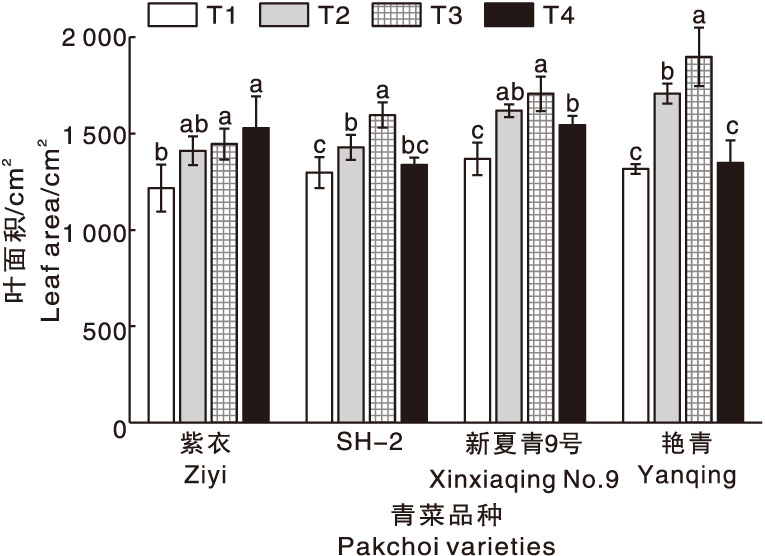
Fig.8 Leaf area of pakchoi at harvest stage under different photoperiod treatments
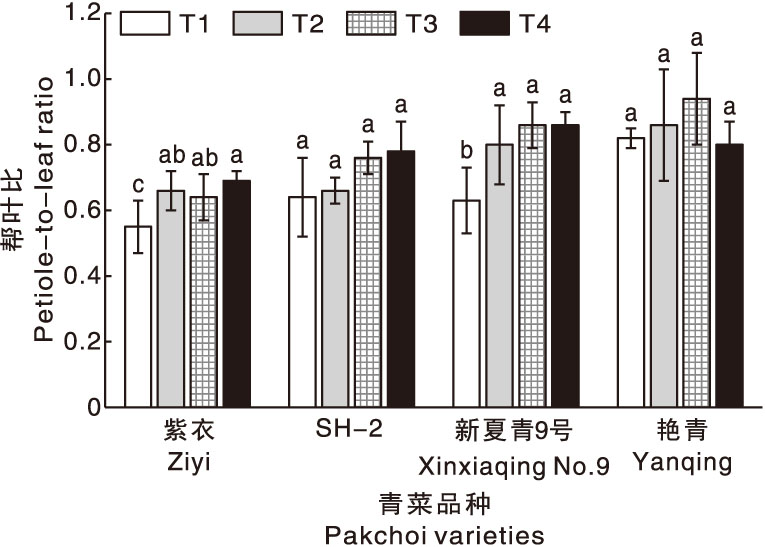
Fig.9 Petiole-to-leaf ratio of pakchoi at harvest stage under different photoperiod treatments
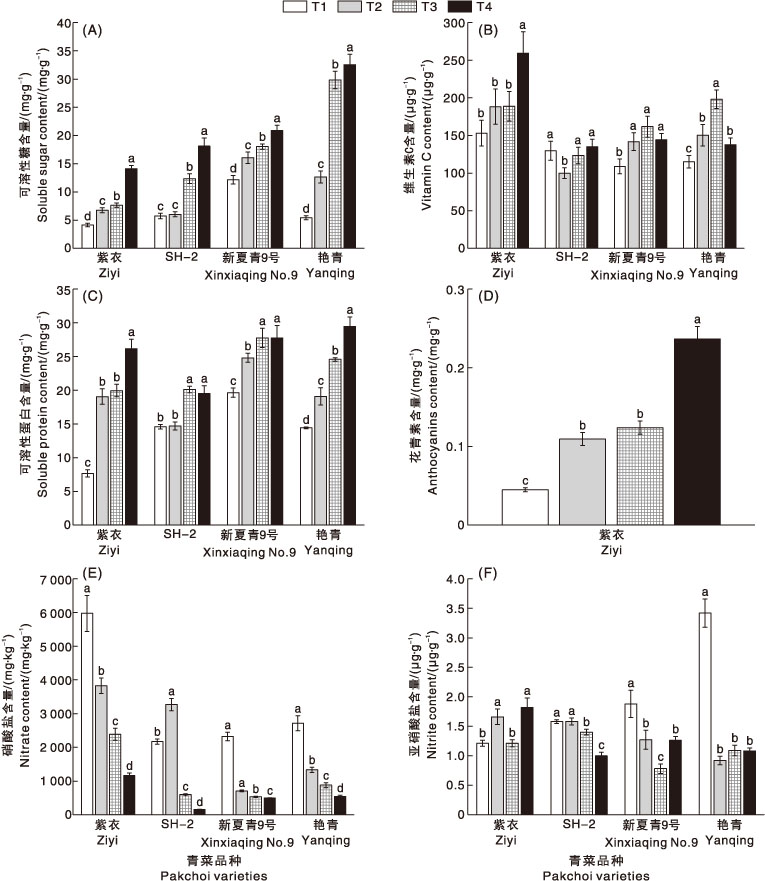
Fig.10 Quality of pakchoi at harvest stage under different photoperiod treatments
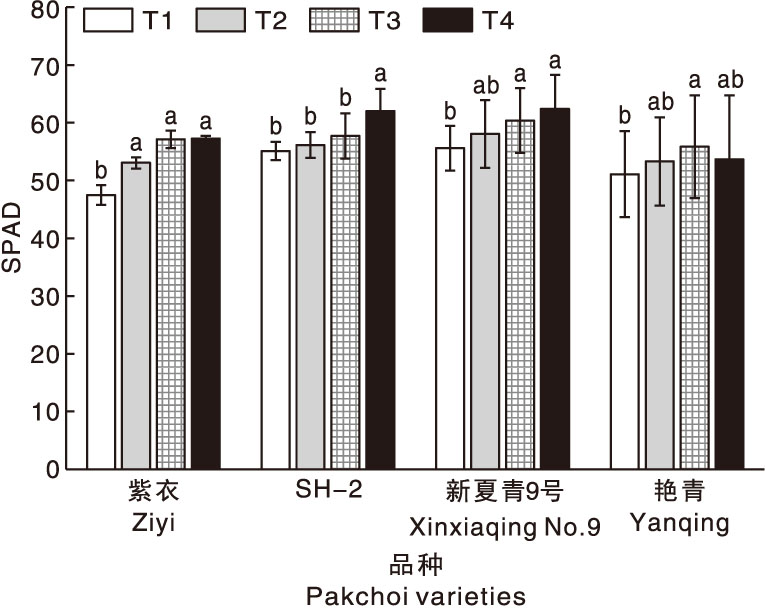
Fig.11 SPAD values of leaf blades in pakchoi at harvest stage under different photoperiod treatments
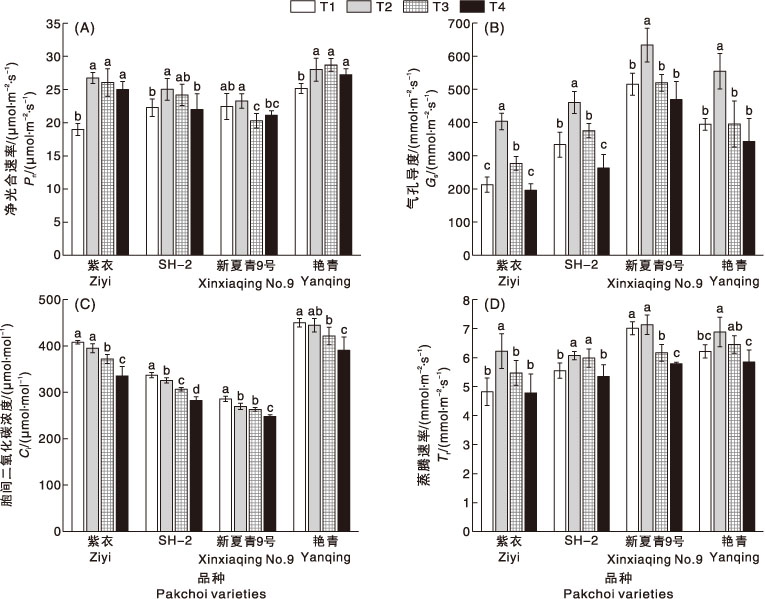
Fig.12 Photosynthetic parameters of pakchoi leaves under different photoperiod treatments
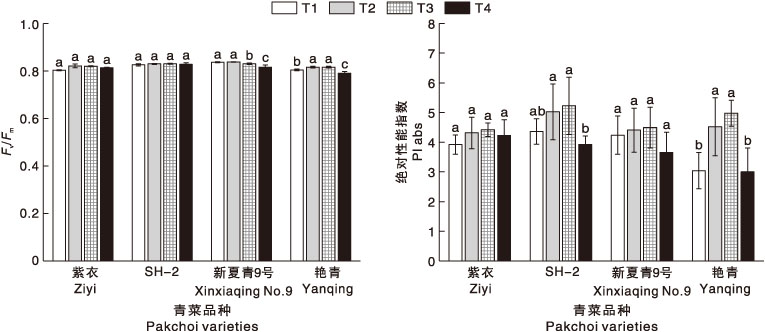
Fig.13 Chlorophyll fluorescence parameters of pakchoi leaves under different photoperiod treatments
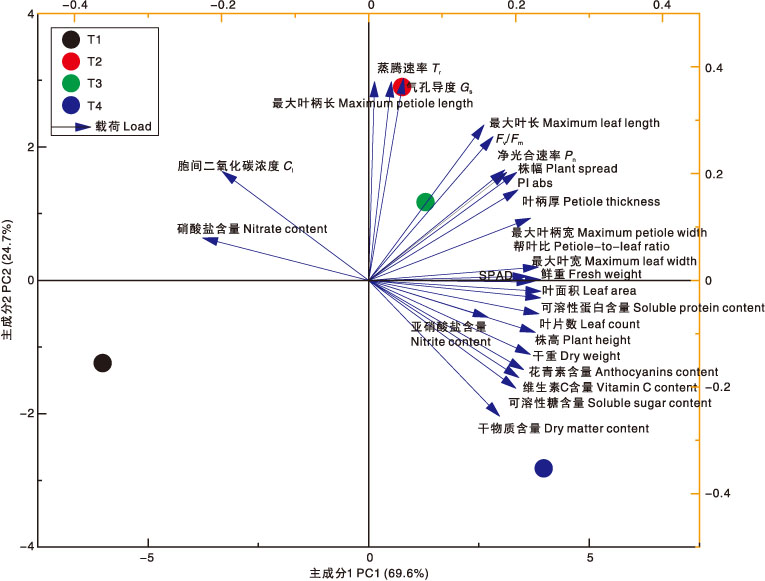
Fig.14 Principal component analysis (PCA) plot
| [1] | 周增产, 董微, 李秀刚, 等. 植物工厂产业发展现状与展望[J]. 农业工程技术, 2022, 42(1): 18-23. |
| ZHOU Z C, DONG W, LI X G, et al. Present situation and prospect of plant factory industry development[J]. Agricultural Engineering Technology, 2022, 42(1): 18-23. | |
| [2] | HENNY R L, GOBILIK J. Overview on leafy (pak choy) vegetable industry and vertical soilless culture application for pak choy production in Malaysia[J]. Transactions on Science and Technology, 2022, 9(4): 204-222. |
| [3] | 陈永快, 王涛, 兰婕, 等. 植物工厂内LED光调控在作物栽培中的研究进展[J]. 江苏农业科学, 2020, 48(23): 40-46. |
| CHEN Y K, WANG T, LAN J, et al. Research progress of LED light regulation in plant factories in crop cultivation[J]. Jiangsu Agricultural Sciences, 2020, 48(23): 40-46. | |
| [4] | RITCHIE R J. Modelling photosynthetic photon flux density and maximum potential gross photosynthesis[J]. Photosynthetica, 2010, 48(4): 596-609. |
| [5] | 巫一伦, 梁韶莉. 两种光周期对青梗菜生物产量的影响[J]. 山西农业科学, 2008, 36(11): 84-85. |
| WU Y L, LIANG S L. Effect of two photoperiods to biological production of Qinggeng cabbages[J]. Journal of Shanxi Agricultural Sciences, 2008, 36(11): 84-85. | |
| [6] | 余意, 刘文科. 弱光条件下光质和光周期对水培生菜生长与品质的影响[J]. 中国农业气象, 2015, 36(6): 739-745. |
| YU Y, LIU W K. Influence of light quality and photoperiod on growth and nutritional quality of three leaf-color lettuce cultivars under weak light[J]. Chinese Journal of Agrometeorology, 2015, 36(6): 739-745. | |
| [7] | 韩冰, 高文瑞, 孙艳军, 等. 不同光周期对番茄幼苗生理特性及定植后开花结果的影响[J]. 江西农业学报, 2025, 37(2): 70-74. |
| HAN B, GAO W R, SUN Y J, et al. Effects of different photoperiod on physiological characteristics, flowering and fruiting of tomato seedlings after planting[J]. Acta Agriculturae Jiangxi, 2025, 37(2): 70-74. | |
| [8] | 孙朝华, 李开, 雷喜红, 等. 不同光周期对水培生菜生长和品质的影响[J]. 蔬菜, 2020(5): 55-59. |
| SUN C H, LI K, LEI X H, et al. Effects of different photoperiod on growth and quality of hydroponic lettuce[J]. Vegetables, 2020(5): 55-59. | |
| [9] | YAO Y, ZHANG P, WANG H B, et al. How to advance up to seven generations of canola (Brassica napus L.) per annum for the production of pure line populations?[J]. Euphytica, 2016, 209(1): 113-119. |
| [10] | 李建勇, 张瑞明, 李恒松, 等. 上海地区夏季青菜有机栽培技术[J]. 上海农业科技, 2014(4): 101-102. |
| LI J Y, ZHANG R M, LI H S, et al. Organic cultivation techniques of green vegetables in summer in Shanghai area[J]. Shanghai Agricultural Science and Technology, 2014(4): 101-102. | |
| [11] | 李晓锋, 朱红芳, 卓昌盛, 等. 优质耐热青菜品种‘新夏青3号’的选育及栽培技术要点[J]. 上海农业科技, 2023(4): 90-91. |
| LI X F, ZHU H F, ZHUO C S, et al. Breeding and cultivation techniques of high-quality heat-resistant vegetable variety ‘Xinxiaqing No.3'[J]. Shanghai Agricultural Science and Technology, 2023( 4): 90-91. | |
| [12] | 张样平, 常丽英, 黄丹枫, 等. 日光型植物工厂绿叶蔬菜轨道式高效栽培与效益分析[J]. 中国蔬菜, 2019(9): 89-92. |
| ZHANG Y P, CHANG L Y, HUANG D F, et al. Efficient cultivation of green leafy vegetables in solar plant factory and its benefit analysis[J]. China Vegetables, 2019(9): 89-92. | |
| [13] | DING X T, JIANG Y P, ZHAO H, et al. Electrical conductivity of nutrient solution influenced photosynthesis, quality, and antioxidant enzyme activity of pakchoi (Brassica campestris L. ssp. Chinensis) in a hydroponic system[J]. PLoS One, 2018, 13(8): e0202090. |
| [14] | 孔令娟, 张峻, 陈珏, 等. 上海地区耐热青菜的生产和优势品种推荐[J]. 长江蔬菜, 2017(23): 15-17. |
| KONG L J, ZHANG J, CHEN J, et al. Production of heat-resistant vegetables in Shanghai and recommendation of dominant varieties[J]. Journal of Changjiang Vegetables, 2017(23): 15-17. | |
| [15] | YU L S, BU L J, LI D D, et al. Effects of far-red light and ultraviolet light-A on growth, photosynthesis, transcriptome, and metabolome of mint (Mentha haplocalyx Briq.)[J]. Plants, 2024, 13(24): 3495. |
| [16] | LI D D, SHEN H B, YU L S, et al. Transcriptomic and metabolomic insights into plant hormone modulation and secondary metabolite accumulation in basil under far-red and ultraviolet-a light[J]. International Journal of Molecular Sciences, 2025, 26(8): 3758. |
| [17] | SONG J L, HUANG H, SONG S W, et al. Effects of photoperiod interacted with nutrient solution concentration on nutritional quality and antioxidant and mineral content in lettuce[J]. Agronomy, 2020, 10(7): 920. |
| [18] | ALI ELMARDY N, YOUSEF A F, LIN K, et al. Photosynthetic performance of rocket (Eruca sativa. Mill.) grown under different regimes of light intensity, quality, and photoperiod[J]. PLoS One, 2021, 16(9): e0257745. |
| [19] | 韩冰, 高文瑞, 孙艳军, 等. 不同LED光照对番茄幼苗生理特性及定植后开花结果的影响[J]. 江苏农业学报, 2024, 40(12): 2219-2225. |
| HAN B, GAO W R, SUN Y J, et al. Effects of different LED illumination on physiological characteristics of tomato seedlings and flowering and fruiting after planting[J]. Jiangsu Journal of Agricultural Sciences, 2024, 40(12): 2219-2225. | |
| [20] | 刘庆, 连海峰, 刘世琦, 等. 不同光质LED光源对草莓光合特性、产量及品质的影响[J]. 应用生态学报, 2015, 26(6): 1743-1750. |
| LIU Q, LIAN H F, LIU S Q, et al. Effects of different LED light qualities on photosynthetic characteristics, fruit production and quality of strawberry[J]. Chinese Journal of Applied Ecology, 2015, 26(6): 1743-1750. | |
| [21] | GAUDREAU L, CHARBONNEAU J, VE'ZINA L P, et al. Photoperiod and photosynthetic photon flux influence growth and quality of greenhouse-grown lettuce[J]. HortScience, 1994, 29(11): 1285-1289. |
| [22] | 张传伟, 宋述尧, 赵春波, 等. 不同品种番茄营养品质分析与评价[J]. 中国蔬菜, 2011(18): 68-73. |
| ZHANG C W, SONG S Y, ZHAO C B, et al. Analysis and assessment on nutritional quality of different tomato varieties[J]. China Vegetables, 2011(18): 68-73. | |
| [23] | 王雪, 谢立波, 张慧. 辣椒果实维生素C含量的研究进展[J]. 北方园艺, 2019(19): 121-124. |
| WANG X, XIE L B, ZHANG H. Research progress of vitamin C content in pepper fruits[J]. Northern Horticulture, 2019(19): 121-124. | |
| [24] | 李晗懿, 彭枫, 张力劼, 等. 菠菜种质资源营养品质分析与评价[J]. 长江蔬菜, 2022(8): 41-46. |
| LI H Y, PENG F, ZHANG L J, et al. Analysis and evaluation of nutritional quality of spinach germplasm resources[J]. Journal of Changjiang Vegetables, 2022(8): 41-46. | |
| [25] | 高晓茹, 汪维红, 李佩荣, 等. 芸薹属作物花青素生物合成转录调控研究进展[J]. 蔬菜, 2025(1): 79-86. |
| GAO X R, WANG W H, LI P R, et al. Progress in transcriptional regulation of anthocyanin biosynthesis in Brassica crops[J]. Vegetables, 2025(1): 79-86. | |
| [26] | 张欢, 章丽丽, 李薇, 等. 不同光周期红光对油葵芽苗菜生长和品质的影响[J]. 园艺学报, 2012, 39(2): 297-304. |
| ZHANG H, ZHANG L L, LI W, et al. Effects of photoperiod under red LED on growth and quality of sunflower sprouts[J]. Acta Horticulturae Sinica, 2012, 39(2): 297-304. | |
| [27] | WU S H, LIU Y H, CUI X, et al. Assessment of potential nitrite safety risk of leafy vegetables after domestic cooking[J]. Foods, 2021, 10(12): 2953. |
| [28] | DEZHANGAH S, NAZARI F, KAMALI K, et al. A survey on nitrate level in vegetables to assess the potential health risks in Iran[J]. International Journal of Food Properties, 2022, 25(1): 1958-1973. |
| [29] | 赵京东, 宋彦涛, 何畅, 等. 不同叶绿素测定方法的比较研究[J]. 大连民族大学学报, 2020, 22(5): 405-410. |
| ZHAO J D, SONG Y T, HE C, et al. Comparative study on different methods of chlorophyll determination[J]. Journal of Dalian Nationalities University, 2020, 22(5): 405-410. | |
| [30] | 徐超华, 李军营, 崔明昆, 等. 延长光照时间对烟草叶片生长发育及光合特性的影响[J]. 西北植物学报, 2013, 33(4): 763-770. |
| XU C H, LI J Y, CUI M K, et al. Effects of supplemental lighting on growth and photosynthesis of tobacco leaves[J]. Acta Botanica Boreali-Occidentalia Sinica, 2013, 33(4): 763-770. | |
| [31] | NITSCHKE S, CORTLEVEN A, SCHMÜLLING T. Novel stress in plants by altering the photoperiod[J]. Trends in Plant Science, 2017, 22(11): 913-916. |
| [32] | SHIBAEVA T G, MAMAEV A V, SHERUDILO E G, et al. The role of photosynthetic daily light integral in plant response to extended photoperiods[J]. Russian Journal of Plant Physiology, 2022, 69(1): 7. |
| [33] | 曹刚, 张国斌, 郁继华, 等. 不同光质LED光源对黄瓜苗期生长及叶绿素荧光参数的影响[J]. 中国农业科学, 2013, 46(6): 1297-1304. |
| CAO G, ZHANG G B, YU J H, et al. Effects of different LED light qualities on cucumber seedling growth and chlorophyll fluorescence parameters[J]. Scientia Agricultura Sinica, 2013, 46(6): 1297-1304. | |
| [34] | JIANG Y P, DING X T, ZHANG D, et al. Soil salinity increases the tolerance of excessive sulfur fumigation stress in tomato plants[J]. Environmental and Experimental Botany, 2017, 133: 70-77. |
| [1] | MAO Mingjuan, PU Qiniu, HOU Lijuan, MA Lin, JIANG Ning, LIN Jinsheng, QU Shaoxuan, LI Huiping, XU Ping, LIU Di. Regulation of biomass and IAA synthesis in Volvariella volvacea by pH value and ionic effects [J]. Acta Agriculturae Zhejiangensis, 2026, 38(4): 669-679. |
| [2] | LI Zhengsheng, YIN Xuanpeng, YE Yunyu, LI Junyu, WU Hongzhi. Effect of the number of vegetative branches on the canopy and biomass of roses [J]. Acta Agriculturae Zhejiangensis, 2026, 38(4): 680-686. |
| [3] | XUE Qian, WU Menglu, SUN Qingming, SU Honghua. Effects of different photoperiods on reproductive behavior of Spodoptera litura [J]. Acta Agriculturae Zhejiangensis, 2026, 38(3): 541-550. |
| [4] | DONG Ruili, GU Lei, ZHANG Meng, ZHOU Guomo. Research on carbon storage of tea trees and carbon footprint of tea products in Lishui City, Zhejiang Province, China [J]. Acta Agriculturae Zhejiangensis, 2026, 38(2): 339-350. |
| [5] | ZHU Xiajing, SUN Hong, ZHOU Hanghai, WANG Xin, PI Erxu, TANG Jiangwu. Biological mechanism of lytic polysaccharide monooxygenase and its applications in lignocellulose degradation [J]. Acta Agriculturae Zhejiangensis, 2026, 38(2): 405-416. |
| [6] | WANG Lutong, JIANG Lihong, DAI Jiapeng, CHEN Liang, ZENG Guangxi, LIU Erlun, ZHOU Xiangdan, XIAO Yunhua, FANG Jun. Effect of ferrous sulfate on fungal community of chicken manure compost and its application potential [J]. Acta Agriculturae Zhejiangensis, 2025, 37(1): 169-177. |
| [7] | GONG Na, LIU Guoli, CHEN Xun, MA Xiaoying, ZHAO Ying, XIAO Jun. Identification of a wild strain of Pleurotus pulmonarius and optimization of its liquid fermentation culture medium [J]. Acta Agriculturae Zhejiangensis, 2024, 36(11): 2535-2545. |
| [8] | SUN Lijuan, LI Shimin, GUO Huanxian, JIN Youfan, LI Shuping, DONG Qiong. Growth and N, P, K stoichiometric characteristics of Cyphomandra betacea seedlings in response to light and fertilizer [J]. Acta Agriculturae Zhejiangensis, 2023, 35(8): 1793-1804. |
| [9] | XIAO Jiachang, LEI Fengyun, GE Sang, MA Junying, HE Maolin, LI Yanwen, ZHENG Yangxia. Effects of exogenous spraying of amino acid fertilizer on growth and selenium uptake of watercress [J]. Acta Agriculturae Zhejiangensis, 2023, 35(7): 1638-1647. |
| [10] | HE Yu, LYU Weiguang, LI Shuangxi, ZHENG Xianqing, ZHANG Hanlin, ZHANG Juanqin, ZHANG Haiyun, BAI Naling, LIU Shanliang. Effects of γ-polyglutamic acid fermentation broth on growth of pakchoi and utilization rate of nitrogen and phosphorus fertilizer [J]. Acta Agriculturae Zhejiangensis, 2023, 35(2): 329-337. |
| [11] | ZHU Yongji, TAO Xinyu, CHEN Xiaofang, SU Xiangxiang, LIU Jikai, LI Xinwei. Estimation of above-ground biomass of winter wheat based on vegetation indexes and texture features of multispectral images captured by unmanned aerial vehicle [J]. Acta Agriculturae Zhejiangensis, 2023, 35(12): 2966-2976. |
| [12] | WANG Weiwei, MEI Yi, WU Yongcheng, WAN Hongjian, CHEN Changjun, ZHENG Qingsong, ZHENG Jiaqiu. Effects of corncob biochar application on soil characteristics and pepper growth under continuous cropping [J]. Acta Agriculturae Zhejiangensis, 2023, 35(1): 156-163. |
| [13] | WU Hao, ZHANG Xuesong, WANG Dan. Effects of different CO2 concentration and nitrogen rates on photosynthesis and growth of winter wheat [J]. Acta Agriculturae Zhejiangensis, 2022, 34(12): 2594-2602. |
| [14] | YANG Haitao, ZHANG Jing, MA Hongyan, YANG Yan, DING Dongxia, LYU Jian, XIE Jianming. Effects of different selenium sources on quality and nutrient absorption of pakchoi [J]. Acta Agriculturae Zhejiangensis, 2022, 34(10): 2199-2208. |
| [15] | ZHAO Longlong, WEI Jie, XIE Yingping, LI Jie. Preliminary research on wing dimorphism of pear psylla (Cacopsylla chinensis) and its influence factor [J]. Acta Agriculturae Zhejiangensis, 2022, 34(1): 120-127. |
| Viewed | ||||||
|
Full text |
|
|||||
|
Abstract |
|
|||||

