Acta Agriculturae Zhejiangensis ›› 2026, Vol. 38 ›› Issue (6): 1177-1186.DOI: 10.3969/j.issn.1004-1524.20250640
• Crop Science • Previous Articles Next Articles
Comprehensive evaluation of 45 adzuki bean germplasms
LAN Huijie( ), GAO Hongwei, JI Jiaruo, CAI Ruiguo, ZHANG Min, LIN Xiaohu, YANG Min*()
Hebei Key Laboratory of Crop Stress Biology ,College of Agronomy and Biotechnology, Hebei Normal University of Science and Technology, Qinhuangdao 066600 Hebei, China
-
Received:2025-10-10Online:2026-06-25Published:2026-07-14

CLC Number:
Cite this article
LAN Huijie, GAO Hongwei, JI Jiaruo, CAI Ruiguo, ZHANG Min, LIN Xiaohu, YANG Min. Comprehensive evaluation of 45 adzuki bean germplasms[J]. Acta Agriculturae Zhejiangensis, 2026, 38(6): 1177-1186.
share this article
Add to citation manager EndNote|Ris|BibTeX
URL: http://www.zjnyxb.cn/EN/10.3969/j.issn.1004-1524.20250640
| 编号 Number | 种质名称 Germplasm name | 编号 Number | 种质名称 Germplasm name | 编号 Number | 种质名称 Germplasm name | 编号 Number | 种质名称 Germplasm name |
|---|---|---|---|---|---|---|---|
| A1 | GHPX02 | A13 | 保红2008.31-2 Baohong 2008.31-2 | A25 | 品红2011-18 Pinhong 2011-18 | A37 | 10.0309-3-3-1-1-3-1-1-1-1-1 |
| A2 | I19012-27 | A14 | 红泉3号 Hongquan 3 | A26 | 日本大纳言 Dainagon Adzuki | A38 | 2.(混黑*9218)-2-4-1-1-2 2.(hunhei*9218)-2-4-1-1-2 |
| A3 | 白红2号 Baihong 2 | A15 | 红象2号 Hongxiang 2 | A27 | 唐红2010-12 Tanghong 2010-12 | A39 | 3.030-3-3-1-1-3-1-1-1-1-2 |
| A4 | 白红8号 Baihong 8 | A16 | 吉红9号 Jihong 9 | A28 | 唐山红小豆 Tangshanhongxiaodou | A40 | 4.1105-5-5-1 |
| A5 | 白红9号 Baihong 9 | A17 | 吉红10号 Jihong 10 | A29 | 同杂-6 Tongza-6 | A41 | 5.0921-4-2-1-2-1-1 |
| A6 | 保红876 Baohong 876 | A18 | 冀红4号 Jihong 4 | A30 | 音更 Yingeng | A42 | 6.1105反-5-5-2 6.1105 Fan-5-5-2 |
| A7 | 保红947 Baohong 947 | A19 | 冀红8号 Jihong 8 | A31 | 渝红1号 Yuhong 1 | A43 | 7.1218-6-4 |
| A8 | 保红0764 Baohong 0764 | A20 | 冀红13号 Jihong 13 | A32 | 渝红2号 Yuhong 2 | A44 | 8.1019-9-1-3-3 |
| A9 | 保红0778 Baohong 0778 | A21 | 冀红14号 Jihong 14 | A33 | 渝红5号 Yuhong 5 | A45 | 9.0001-15-10-2-2-4-2-1-1-2 |
| A10 | 保红3992 Baohong 3992 | A22 | 冀红16号 Jihong 16 | A34 | 珍珠红 Zhenzhuhong | ||
| A11 | 保红4795 Baohong 5795 | A23 | 冀红9218 Jihong 9218 | A35 | 中红7号 Zhonghong 7 | ||
| A12 | 保红8824 Baohong 8824 | A24 | 垦鉴红 Kenjianhong | A36 | 1.1218-8-3 |
Table 1 Number and name of test material
| 编号 Number | 种质名称 Germplasm name | 编号 Number | 种质名称 Germplasm name | 编号 Number | 种质名称 Germplasm name | 编号 Number | 种质名称 Germplasm name |
|---|---|---|---|---|---|---|---|
| A1 | GHPX02 | A13 | 保红2008.31-2 Baohong 2008.31-2 | A25 | 品红2011-18 Pinhong 2011-18 | A37 | 10.0309-3-3-1-1-3-1-1-1-1-1 |
| A2 | I19012-27 | A14 | 红泉3号 Hongquan 3 | A26 | 日本大纳言 Dainagon Adzuki | A38 | 2.(混黑*9218)-2-4-1-1-2 2.(hunhei*9218)-2-4-1-1-2 |
| A3 | 白红2号 Baihong 2 | A15 | 红象2号 Hongxiang 2 | A27 | 唐红2010-12 Tanghong 2010-12 | A39 | 3.030-3-3-1-1-3-1-1-1-1-2 |
| A4 | 白红8号 Baihong 8 | A16 | 吉红9号 Jihong 9 | A28 | 唐山红小豆 Tangshanhongxiaodou | A40 | 4.1105-5-5-1 |
| A5 | 白红9号 Baihong 9 | A17 | 吉红10号 Jihong 10 | A29 | 同杂-6 Tongza-6 | A41 | 5.0921-4-2-1-2-1-1 |
| A6 | 保红876 Baohong 876 | A18 | 冀红4号 Jihong 4 | A30 | 音更 Yingeng | A42 | 6.1105反-5-5-2 6.1105 Fan-5-5-2 |
| A7 | 保红947 Baohong 947 | A19 | 冀红8号 Jihong 8 | A31 | 渝红1号 Yuhong 1 | A43 | 7.1218-6-4 |
| A8 | 保红0764 Baohong 0764 | A20 | 冀红13号 Jihong 13 | A32 | 渝红2号 Yuhong 2 | A44 | 8.1019-9-1-3-3 |
| A9 | 保红0778 Baohong 0778 | A21 | 冀红14号 Jihong 14 | A33 | 渝红5号 Yuhong 5 | A45 | 9.0001-15-10-2-2-4-2-1-1-2 |
| A10 | 保红3992 Baohong 3992 | A22 | 冀红16号 Jihong 16 | A34 | 珍珠红 Zhenzhuhong | ||
| A11 | 保红4795 Baohong 5795 | A23 | 冀红9218 Jihong 9218 | A35 | 中红7号 Zhonghong 7 | ||
| A12 | 保红8824 Baohong 8824 | A24 | 垦鉴红 Kenjianhong | A36 | 1.1218-8-3 |
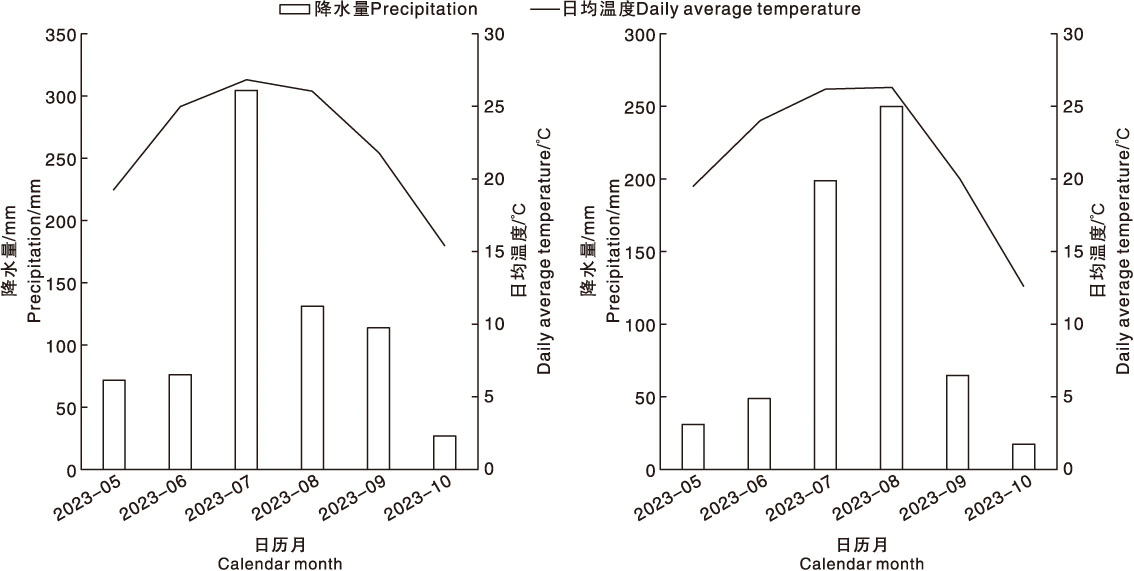
Fig.1 Daily average temperature and precipitation during the growth period of adzuki bean
| 性状 Character | 株高/cm Plant height/cm | 茎粗/mm Stem diameter/mm | 分枝数 Branch number | 单株荚数 Pod number per plant | 单株粒数 Grain number per plant | 千粒重/g 1 000-grain weight/g | 单株籽粒产量/g Grain yield per plant/g | 淀粉含量/% Starch content/% | 粗蛋白含量/% Crude protein content/% |
|---|---|---|---|---|---|---|---|---|---|
| 最大值Maximum | 77.70 | 8.14 | 18.33 | 72.70 | 329.18 | 178.58 | 33.57 | 60.94 | 25.49 |
| 最小值Minimun | 24.12 | 4.98 | 7.33 | 8.94 | 55.13 | 77.41 | 7.75 | 46.47 | 20.10 |
| 平均值Average | 47.14 | 6.95 | 12.63 | 42.77 | 192.62 | 141.34 | 26.54 | 53.49 | 23.11 |
| 标准差 Standard deviation | 11.93 | 0.61 | 2.28 | 12.90 | 53.98 | 24.08 | 4.32 | 3.81 | 0.99 |
| 变异系数/% Coefficient of variation/% | 25.30 | 8.83 | 18.06 | 30.16 | 28.03 | 17.04 | 16.26 | 7.12 | 4.27 |
Table 2 Statistics of 9 characters of 45 adzuki bean germplasms
| 性状 Character | 株高/cm Plant height/cm | 茎粗/mm Stem diameter/mm | 分枝数 Branch number | 单株荚数 Pod number per plant | 单株粒数 Grain number per plant | 千粒重/g 1 000-grain weight/g | 单株籽粒产量/g Grain yield per plant/g | 淀粉含量/% Starch content/% | 粗蛋白含量/% Crude protein content/% |
|---|---|---|---|---|---|---|---|---|---|
| 最大值Maximum | 77.70 | 8.14 | 18.33 | 72.70 | 329.18 | 178.58 | 33.57 | 60.94 | 25.49 |
| 最小值Minimun | 24.12 | 4.98 | 7.33 | 8.94 | 55.13 | 77.41 | 7.75 | 46.47 | 20.10 |
| 平均值Average | 47.14 | 6.95 | 12.63 | 42.77 | 192.62 | 141.34 | 26.54 | 53.49 | 23.11 |
| 标准差 Standard deviation | 11.93 | 0.61 | 2.28 | 12.90 | 53.98 | 24.08 | 4.32 | 3.81 | 0.99 |
| 变异系数/% Coefficient of variation/% | 25.30 | 8.83 | 18.06 | 30.16 | 28.03 | 17.04 | 16.26 | 7.12 | 4.27 |
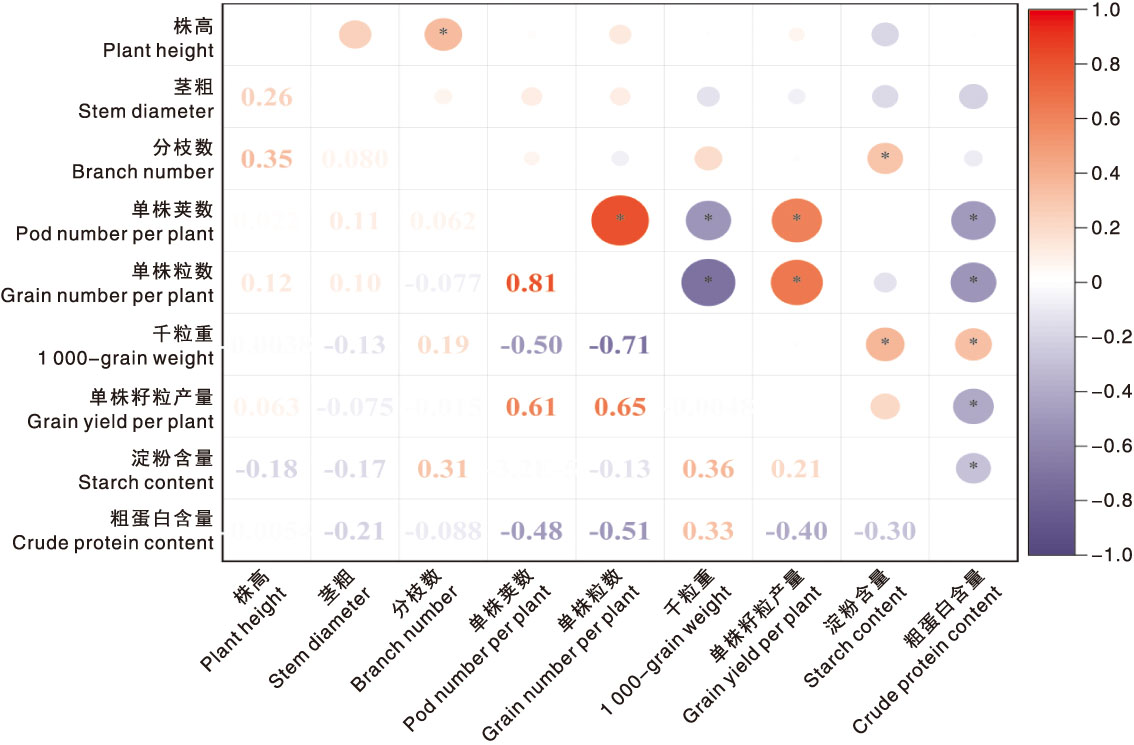
Fig.2 Correlation analysis of adzuki bean characters * indicates that the correlation is significant(p<0.05).
| 指标 Index | 因子载荷Factor loading | ||
|---|---|---|---|
| PC1 | PC2 | PC3 | |
| 株高Plant height | 0.062 | -0.004 | 0.669 |
| 茎粗Stem diameter | 0.108 | -0.162 | 0.507 |
| 分枝数Branch number | -0.014 | 0.428 | 0.500 |
| 单株荚数Pod number per plant | 0.503 | 0.053 | -0.035 |
| 单株粒数Grain number per plant | 0.541 | -0.087 | -0.033 |
| 千粒重1 000-grain weight | -0.375 | 0.422 | 0.019 |
| 单株籽粒产量Grain yield per plant | 0.385 | 0.315 | -0.147 |
| 淀粉含量Starch content | -0.020 | 0.666 | -0.145 |
| 粗蛋白含量Crude protein content | -0.386 | -0.245 | -0.019 |
| 特征值Eigenvalue | 3.108 | 1.702 | 1.477 |
| 方差贡献率/% Variance contribution rate/% | 34.530 | 18.920 | 16.410 |
| 累计方差贡献率/% Cumulative variance contribution rate/% | 34.530 | 53.450 | 69.860 |
| 因子权重Factor weight | 0.494 | 0.271 | 0.235 |
Table 3 Principal component analysis of adzuki bean germplasm resources
| 指标 Index | 因子载荷Factor loading | ||
|---|---|---|---|
| PC1 | PC2 | PC3 | |
| 株高Plant height | 0.062 | -0.004 | 0.669 |
| 茎粗Stem diameter | 0.108 | -0.162 | 0.507 |
| 分枝数Branch number | -0.014 | 0.428 | 0.500 |
| 单株荚数Pod number per plant | 0.503 | 0.053 | -0.035 |
| 单株粒数Grain number per plant | 0.541 | -0.087 | -0.033 |
| 千粒重1 000-grain weight | -0.375 | 0.422 | 0.019 |
| 单株籽粒产量Grain yield per plant | 0.385 | 0.315 | -0.147 |
| 淀粉含量Starch content | -0.020 | 0.666 | -0.145 |
| 粗蛋白含量Crude protein content | -0.386 | -0.245 | -0.019 |
| 特征值Eigenvalue | 3.108 | 1.702 | 1.477 |
| 方差贡献率/% Variance contribution rate/% | 34.530 | 18.920 | 16.410 |
| 累计方差贡献率/% Cumulative variance contribution rate/% | 34.530 | 53.450 | 69.860 |
| 因子权重Factor weight | 0.494 | 0.271 | 0.235 |
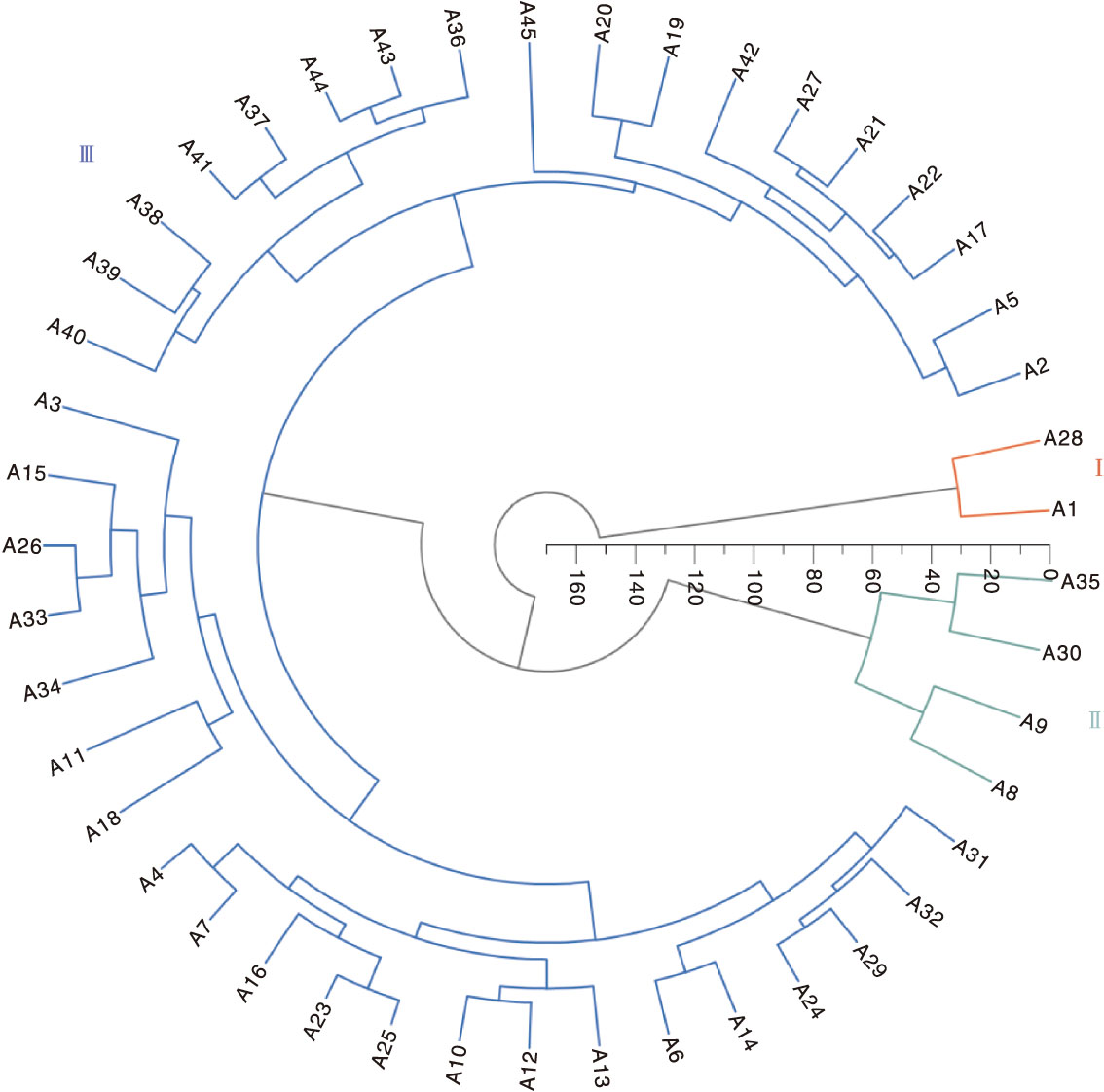
Fig.3 Cluster map of 45 adzuki bean accessions
| 性状 Traits | 类群Ⅰ Group Ⅰ | 类群Ⅱ Group Ⅱ | 类群Ⅲ Group Ⅲ | |||
|---|---|---|---|---|---|---|
| 均值 Mean | 变异系数/% CV/% | 均值 Mean | 变异系数/% CV/% | 均值 Mean | 变异系数/% CV/% | |
| 株高/cm Plant height/cm | 36.87 | 8.78 | 55.10 | 15.45 | 46.85 | 25.82 |
| 茎粗/mm Stem diameter/mm | 6.83 | 21.34 | 7.25 | 9.18 | 6.92 | 8.34 |
| 分枝数Branch number | 10.42 | 5.66 | 12.42 | 15.52 | 12.76 | 18.27 |
| 单株荚数Pod number per plant | 10.22 | 17.64 | 57.87 | 16.09 | 42.89 | 24.00 |
| 单株粒数Grain number per plant | 57.11 | 4.89 | 299.21 | 7.61 | 188.64 | 18.01 |
| 千粒重/g 1 000-grain weight/g | 133.32 | 2.33 | 95.39 | 18.33 | 146.46 | 13.56 |
| 单株籽粒产量/g Grain yield per plant/g | 12.61 | 54.53 | 28.36 | 14.59 | 27.07 | 10.53 |
| 淀粉含量/% Starch content/% | 52.58 | 0.98 | 52.88 | 8.84 | 53.59 | 7.22 |
| 粗蛋白含量/% Crude protein content/% | 24.08 | 5.31 | 22.10 | 6.28 | 23.16 | 3.79 |
Table 4 Character characteristics of different groups of adzuki bean germplasm
| 性状 Traits | 类群Ⅰ Group Ⅰ | 类群Ⅱ Group Ⅱ | 类群Ⅲ Group Ⅲ | |||
|---|---|---|---|---|---|---|
| 均值 Mean | 变异系数/% CV/% | 均值 Mean | 变异系数/% CV/% | 均值 Mean | 变异系数/% CV/% | |
| 株高/cm Plant height/cm | 36.87 | 8.78 | 55.10 | 15.45 | 46.85 | 25.82 |
| 茎粗/mm Stem diameter/mm | 6.83 | 21.34 | 7.25 | 9.18 | 6.92 | 8.34 |
| 分枝数Branch number | 10.42 | 5.66 | 12.42 | 15.52 | 12.76 | 18.27 |
| 单株荚数Pod number per plant | 10.22 | 17.64 | 57.87 | 16.09 | 42.89 | 24.00 |
| 单株粒数Grain number per plant | 57.11 | 4.89 | 299.21 | 7.61 | 188.64 | 18.01 |
| 千粒重/g 1 000-grain weight/g | 133.32 | 2.33 | 95.39 | 18.33 | 146.46 | 13.56 |
| 单株籽粒产量/g Grain yield per plant/g | 12.61 | 54.53 | 28.36 | 14.59 | 27.07 | 10.53 |
| 淀粉含量/% Starch content/% | 52.58 | 0.98 | 52.88 | 8.84 | 53.59 | 7.22 |
| 粗蛋白含量/% Crude protein content/% | 24.08 | 5.31 | 22.10 | 6.28 | 23.16 | 3.79 |
| [1] | 徐宁, 程须珍, 王丽侠, 等. 用于中国小豆种质资源遗传多样性分析SSR分子标记筛选及应用[J]. 作物学报, 2009, 35(2): 219-227. |
| XU N, CHENG X Z, WANG L X, et al. Screening and application of SSR molecular markers for genetic diversity analysis of Chinese adzuki bean germplasm resources[J]. Acta Agronomica Sinica, 2009, 35(2): 219-227. | |
| [2] | KANG Y J, SATYAWAN D, SHIM S, et al. Draft genome sequence of adzuki bean, Vigna angularis[J]. Scientific Reports, 2015, 5: 8069. |
| [3] | LIU L, BESTEL S, SHI J M, et al. Paleolithic human exploitation of plant foods during the Last Glacial Maximum in North China[J]. Proceedings of the National Academy of Sciences of the United States of America, 2013, 110(14): 5380-5385. |
| [4] | YAO Y, XUE P, ZHU Y Y, et al. Antioxidant and immunoregulatory activity of polysaccharides from adzuki beans (Vigna angularis)[J]. Food Research International, 2015, 77: 251-256. |
| [5] | CHU L W, ZHAO P, HUANG X Q, et al. Genetic analysis of seed coat colour in adzuki bean (Vigna angularis L.)[J]. Plant Genetic Resources: Characterization and Utilization, 2021, 19(1): 67-73. |
| [6] | KITANO-OKADA T, ITO A, KOIDE A, et al. Anti-obesity role of adzuki bean extract containing polyphenols: in vivo and in vitro effects[J]. Journal of the Science of Food and Agriculture, 2012, 92(13): 2644-2651. |
| [7] | 颜群翔, 庞玉辉, 洪壮壮, 等. 141份国内外小麦种质资源主要性状遗传多样性分析与特异性评价[J]. 作物杂志, 2025(1): 26-34. |
| YAN Q X, PANG Y H, HONG Z Z, et al. Genetic diversity analysis and specificity evaluation of main traits of 141 wheat germplasm resources at domestic and foreign[J]. Crops, 2025(1): 26-34. | |
| [8] | CHIEN C C, SEIKO T, MUTO C, et al. A single domestication origin of adzuki bean in Japan and the evolution of domestication genes[J]. Science, 2025, 388(6750): eads2871. |
| [9] | 胡亮亮, 陈燕华, 王成, 等. 小豆种质资源产量性状的多环境评价与优异种质筛选[J]. 植物遗传资源学报, 2025, 26(7): 1342-1354. |
| HU L L, CHEN Y H, WANG C, et al. Multi-environment evaluation and elite germplasm selection for yield traits in adzuki bean (Vigna angularis)[J]. Journal of Plant Genetic Resources, 2025, 26(7): 1342-1354. | |
| [10] | 胡亮亮, 周洪妹, 王晓磊, 等. 小豆产量相关性状的基因型与环境互作效应及稳定性分析[J]. 作物学报, 2025, 51(10): 2581-2594. |
| HU L L, ZHOU H M, WANG X L, et al. Analysis of genotype ×environment interaction and stability of yield-related traits in adzuki bean (Vigna angularis)[J]. Acta Agronomica Sinica, 2025, 51(10): 2581-2594. | |
| [11] | EDEM U U L, OSUAGWU A N, UDENSI O U. Assessment of genetic diversity in Sphenostylis stenocarpa(hochst ex. a rich harms) using morphological markers[J]. Asian Journal of Biology, 2023, 19(4): 74-85. |
| [12] | 昝香存, 常莹莹, 董海滨, 等. 河南省小麦种质资源品质特性多样性分析[J]. 植物遗传资源学报, 2025, 26(1): 67-78. |
| ZAN X C, CHANG Y Y, DONG H B, et al. Quality characteristics diversity of wheat germplasm resources in Henan Province[J]. Journal of Plant Genetic Resources, 2025, 26(1): 67-78. | |
| [13] | HEGDE V S, KUMAR J. Identification of agronomic traits to enhance biomass and grain yield of chickpea under rainfed short-duration environment[J]. Legume Research-An International Journal, 2015, 38(5): 5-9. |
| [14] | WANG Q J, JIANG Y, LIAO Z Q, et al. Evaluation of the contribution of teosinte to the improvement of agronomic, grain quality and yield traits in maize (Zea mays)[J]. Plant Breeding, 2020, 139(3): 589-599. |
| [15] | 王晓磊, 康泽然, 魏云山, 等. 20份小豆种质资源农艺性状鉴定与综合评价[J]. 江苏农业科学, 2023, 51(2): 98-104. |
| WANG X L, KANG Z R, WEI Y S, et al. Identification and comprehensive evaluation of agronomic traits of 20 Vigna angularis germplasm resources[J]. Jiangsu Agricultural Sciences, 2023, 51(2): 98-104. | |
| [16] | 周桂梅, 刘振兴, 陈健, 等. 小豆品种形态特征研究及综合评价[J]. 植物遗传资源学报, 2014, 15(5): 1144-1149. |
| ZHOU G M, LIU Z X, CHEN J, et al. Factor analysis and comprehensive assessment for agronomic traits of adzuki bean[J]. Journal of Plant Genetic Resources, 2014, 15(5): 1144-1149. | |
| [17] | 石建斌, 周红, 王宁, 等. 陆地棉纤维品质与主要农艺性状的相关性分析[J]. 江苏农业学报, 2019, 35(4): 770-775. |
| SHI J B, ZHOU H, WANG N, et al. Correlation analysis between fiber quality and main agronomic traits of upland cotton (Gossypium hirsutum L.)[J]. Jiangsu Journal of Agricultural Sciences, 2019, 35(4): 770-775. | |
| [18] | 张鲜, 赵少迪, 胡传伟, 等. 不同苦荞种质资源耐荫性评价及鉴定指标的筛选[J]. 核农学报, 2025, 39(2): 223-232. |
| ZHANG X, ZHAO S D, HU C W, et al. Evaluation of different Tartary buckwheat germplasm resources for shade tolerance and screening of identification indexes[J]. Journal of Nuclear Agricultural Sciences, 2025, 39(2): 223-232. | |
| [19] | 周全, 路秋梅, 赵张晨, 等. 244份春小麦苗期抗旱性的鉴定[J]. 中国农业科学, 2024, 57(9): 1646-1657. |
| ZHOU Q, LU Q M, ZHAO Z C, et al. Identification of drought resistance of 244 spring wheat varieties at seedling stage[J]. Scientia Agricultura Sinica, 2024, 57(9): 1646-1657. | |
| [20] | LIU X Y, SUN J X, WANG X Y, et al. Correlation between floral color attributes and volatile components among 10 fragrant Phalaenopsis cultivars[J]. Phyton, 2025, 94(2): 379-391. |
| [21] | 胡晴园, 公丹, 潘晓威, 等. 国家食用豆产业技术体系2019—2021年普通豇豆新品种(系)联合鉴定分析[J]. 作物杂志, 2024(3): 76-81. |
| HU Q Y, GONG D, PAN X W, et al. Joint identification of new varieties(lines)of cowpea during 2019-2021 organized by China agricultural research system of food legume[J]. Crops, 2024(3): 76-81. | |
| [22] | 公丹, 潘晓威, 王素华, 等. 国家食用豆产业技术体系绿豆新品种(系)联合鉴定[J]. 作物杂志, 2019(4): 30-36. |
| GONG D, PAN X W, WANG S H, et al. Multi-loci identifications on new varieties (lines)of mungbean from China agriculture research system on food legume[J]. Crops, 2019(4): 30-36. | |
| [23] | LEE I, WE G J, KIM D E, et al. Classification of rice cultivars based on cluster analysis of hydration and pasting properties of their starches[J]. LWT-Food Science and Technology, 2012, 48(2): 164-168. |
| [24] | 周桂梅, 陈琳, 刘振兴, 等. 小豆种质资源农艺性状鉴定与综合评价[J]. 江苏农业科学, 2023, 51(21): 44-49. |
| ZHOU G M, CHEN L, LIU Z X, et al. Identification and comprehensive evaluation of agronomic traits of adzuki bean germplasm resources[J]. Jiangsu Agricultural Sciences, 2023, 51(21): 44-49. | |
| [25] | 石广成, 杨万明, 杜维俊, 等. 大豆耐盐种质的筛选及其耐盐生理特性分析[J]. 生物技术通报, 2022, 38(4): 174-183. |
| SHI G C, YANG W M, DU W J, et al. Screening of salt-tolerant soybean germplasm and physiological characteristics analysis of its salt tolerance[J]. Biotechnology Bulletin, 2022, 38(4): 174-183. | |
| [26] | 饶庆琳, 姜敏, 吕建伟, 等. 花生种质资源品质性状分析及综合评价[J]. 植物遗传资源学报, 2024, 25(9): 1454-1467. |
| RAO Q L, JIANG M, LYU J W, et al. Analysis and comprehensive evaluation of quality characters of peanuts germplasm resources[J]. Journal of Plant Genetic Resources, 2024, 25(9): 1454-1467. |
| [1] | DENG Yundan, LU Chengrui, LI Lushan, XU Yongyan. Determination and evaluation of nutrient contents in bulbs of 10 lily varieties [J]. Acta Agriculturae Zhejiangensis, 2026, 38(6): 1228-1235. |
| [2] | HU Jianglong, JIANG Wanlong, PENG Hui, WU Juncheng, ZHANG Zhen, TANG Jintian, ZHANG Yafen, YE Zihong. Collection of Zizania latifolia germplasm resources and evaluation of resistance to leaf spot disease in different Zizania latifolia germplasm [J]. Acta Agriculturae Zhejiangensis, 2026, 38(5): 886-897. |
| [3] | LI Jiaqi, HU Kuanlian, SHEN Zijing, SHI Jianguo, HE Yun. Changes in the quality of frost mulberry leaf under different frost stress periods [J]. Acta Agriculturae Zhejiangensis, 2026, 38(5): 934-943. |
| [4] | MA Huifang, WANG Juanfei, XUE Hongli, REN Guoxiang, SHI Guanyan. Genetic analysis of yield and phenotypic traits in new foxtail millet hybrid lines [J]. Acta Agriculturae Zhejiangensis, 2026, 38(3): 428-439. |
| [5] | LIU Jing, WANG Jian, HUANG Yu, WU Xiaohua, GUO Xuanhe, WANG Ying, LI Guojing, XU Xiaojiang. Indicator screening and model development for evaluating pumpkin fruit quality [J]. Acta Agriculturae Zhejiangensis, 2026, 38(2): 248-257. |
| [6] | ZHONG Hongrui, CHU Yunxia, DENG Shan, ZHANG Yu, ZHANG Yongchun, REN Li, ZHAO Hong, ZHANG Yiying, LIU Kun, CAO Jianguo, CHEN Hairong. Genetic diversity analysis of Hippeastrum breed resources based on distinctness, uniformity, and stability testing [J]. Acta Agriculturae Zhejiangensis, 2026, 38(2): 258-268. |
| [7] | HE Suyue, LI Yan, DING Yunqian, LI Xinze, HAN Qinghui, CHEN Xiaoyang. Phylogenetic analysis of maize landraces in Zhejiang Province of China based on SSR markers [J]. Acta Agriculturae Zhejiangensis, 2026, 38(1): 24-34. |
| [8] | XU Weimeng, XU Yan, CHEN Guoli. Comprehensive evaluation of waxy corn quality based on various analytical methods [J]. Acta Agriculturae Zhejiangensis, 2025, 37(9): 1840-1848. |
| [9] | LIU Guomin, ZHENG Xu, LIAO Yujiao, QIN Yexin, QIN Weizhi. Effect of grafting on cold resistance of potato seedlings under low temperature stress [J]. Acta Agriculturae Zhejiangensis, 2025, 37(8): 1615-1623. |
| [10] | TAN Yali, GAO Mengxiang, LI Xiaojie, ZHOU Yingjie, XIONG Jian, ZENG Ziqi, LI Xiao, YANG Hua. Quality of mainly cultivated walnuts in Hubei Province of China at different harvest periods [J]. Acta Agriculturae Zhejiangensis, 2025, 37(7): 1459-1468. |
| [11] | JIANG Zhenlan, CHEN Fuxun, LUO Shuangfei, LUO Yeqin, SHA Jinming. Inversion of soil total iron content using random forest model based on multi-spectral transformation and principle compoment analysis [J]. Acta Agriculturae Zhejiangensis, 2025, 37(7): 1521-1532. |
| [12] | YUE Li, ZHUANG Hongmei, ZULIPIYA· Maimaiti, WANG Jiamin, MAO Hongyan, ZHANG Yingxian, NIGARY· Yadikar, YU Ming. Comprehensive evaluation of the texture quality of turnip succulent root based on principal component analysis and cluster analysis [J]. Acta Agriculturae Zhejiangensis, 2025, 37(5): 1057-1071. |
| [13] | HE Guoxin, LI Sujuan, WANG Jian, TAO Xiaoyuan, YE Zihong, CHEN Guang, XU Shengchun. Screening and identification of soybean germplasm for low nitrogen tolerance during seedling stage [J]. Acta Agriculturae Zhejiangensis, 2025, 37(5): 965-976. |
| [14] | LIU Sitong, HOU Yu, PAN Jiaquan, ZHOU Huanan, CUI Liang, WAN Bo, YU Tao. Physiological response of sweetpotato to the low temperature and evaluation of cold tolerance [J]. Acta Agriculturae Zhejiangensis, 2025, 37(4): 767-778. |
| [15] | LI Yancui, LI Fuqiang, ZHOU Bo. Effects of deficit irrigation at different growth stages on photosynthetic characteristics, yield and quality of Astragalus membranaceus var. mongholicus [J]. Acta Agriculturae Zhejiangensis, 2025, 37(4): 779-789. |
| Viewed | ||||||
|
Full text |
|
|||||
|
Abstract |
|
|||||

